


Polyetheretherketone (PEEK) stands among the most advanced high-performance thermoplastics available for precision manufacturing. With its exceptional mechanical strength, thermal stability, and chemical resistance, PEEK has become the material of choice for critical components across aerospace, medical, semiconductor, and energy sectors. This guide explores the fundamentals of PEEK injection molding, key processing considerations, and how to select a qualified PEEK injection molding manufacturer to ensure project success.
Understanding PEEK Material Properties
PEEK is a semi-crystalline engineering polymer that delivers a unique combination of properties unmatched by most other thermoplastics. Its melting point reaches approximately 343°C, with a continuous service temperature of up to 250°C. This thermal stability allows PEEK components to perform reliably in extreme environments where conventional plastics would degrade or fail.
Beyond thermal performance, PEEK offers outstanding mechanical characteristics including high tensile strength, stiffness, and fatigue resistance. The material maintains its structural integrity under repeated mechanical stress, making it suitable for load-bearing applications. Additionally, PEEK exhibits excellent resistance to a wide range of aggressive chemicals, including acids, bases, organic solvents, and hydrocarbon fluids. Its inherent biocompatibility and sterilization resistance further expand its utility into medical implant and device manufacturing.
Why Choose Injection Molding for PEEK Components
Injection molding is the preferred manufacturing method for PEEK parts in medium to high production volumes. The process involves melting PEEK resin at controlled temperatures and injecting it under high pressure into precision-machined mold cavities, where it cools and solidifies into the final part geometry. This approach delivers several key advantages over alternative processes such as CNC machining or compression molding.
First, injection molding enables the production of complex geometries with intricate features that would be prohibitively expensive or impossible to machine. Second, the process offers exceptional repeatability and dimensional accuracy, ensuring consistent part quality across large production runs. Third, when annual volumes exceed several hundred units, injection molding typically delivers a lower per-unit cost than machined alternatives, as the tooling investment is amortized across a larger quantity of parts. Finally, injection molding produces parts with optimized fiber orientation and crystallinity distribution, which can result in superior mechanical performance compared to subtractive manufacturing methods.
Key Processing Parameters and Challenges
PEEK injection molding presents unique challenges that differentiate it from standard engineering resin processing. The material’s high melting temperature, sensitivity to moisture, and shear behavior demand precise control throughout every stage of production.
Material Preparation and Drying
Proper drying is critical before processing PEEK. The resin absorbs atmospheric moisture, which converts to steam at barrel temperatures and causes hydrolytic degradation of polymer chains. The result includes silver streaks, splay marks on part surfaces, and measurable reduction in molecular weight that compromises mechanical properties. The standard drying protocol calls for 150–160°C in a desiccant dryer for 3–4 hours, with moisture content verified below 0.02% using a moisture analyzer before releasing material to production.
Temperature Control
PEEK processing requires barrel temperatures typically ranging from 350–400°C, significantly higher than standard engineering plastics. Uniform temperature control across all barrel zones is essential to prevent material degradation while ensuring complete melting. Mold temperature is equally critical, with most applications requiring 160–200°C to achieve proper crystallinity development and minimize residual stress. Achieving this temperature range requires dedicated hot-oil temperature controllers rather than standard water units.
Injection Speed and Pressure
Injection pressure for PEEK typically ranges from 100–160 MPa for unfilled grades and 130–180 MPa for carbon-filled formulations, among the highest in commercial thermoplastics. Hold pressure is generally set at 60–80% of injection pressure, with extended hold times being critical for dimensional stability. Back pressure should remain relatively low at 5–10 MPa, as higher settings generate excessive shear heat that can degrade the material and reduce impact strength. Injection speed is typically moderate to slow, with fill times of 3–10 seconds for precision components, to avoid excessive shear at the gate and weld-line weakness.
Mold Design Considerations
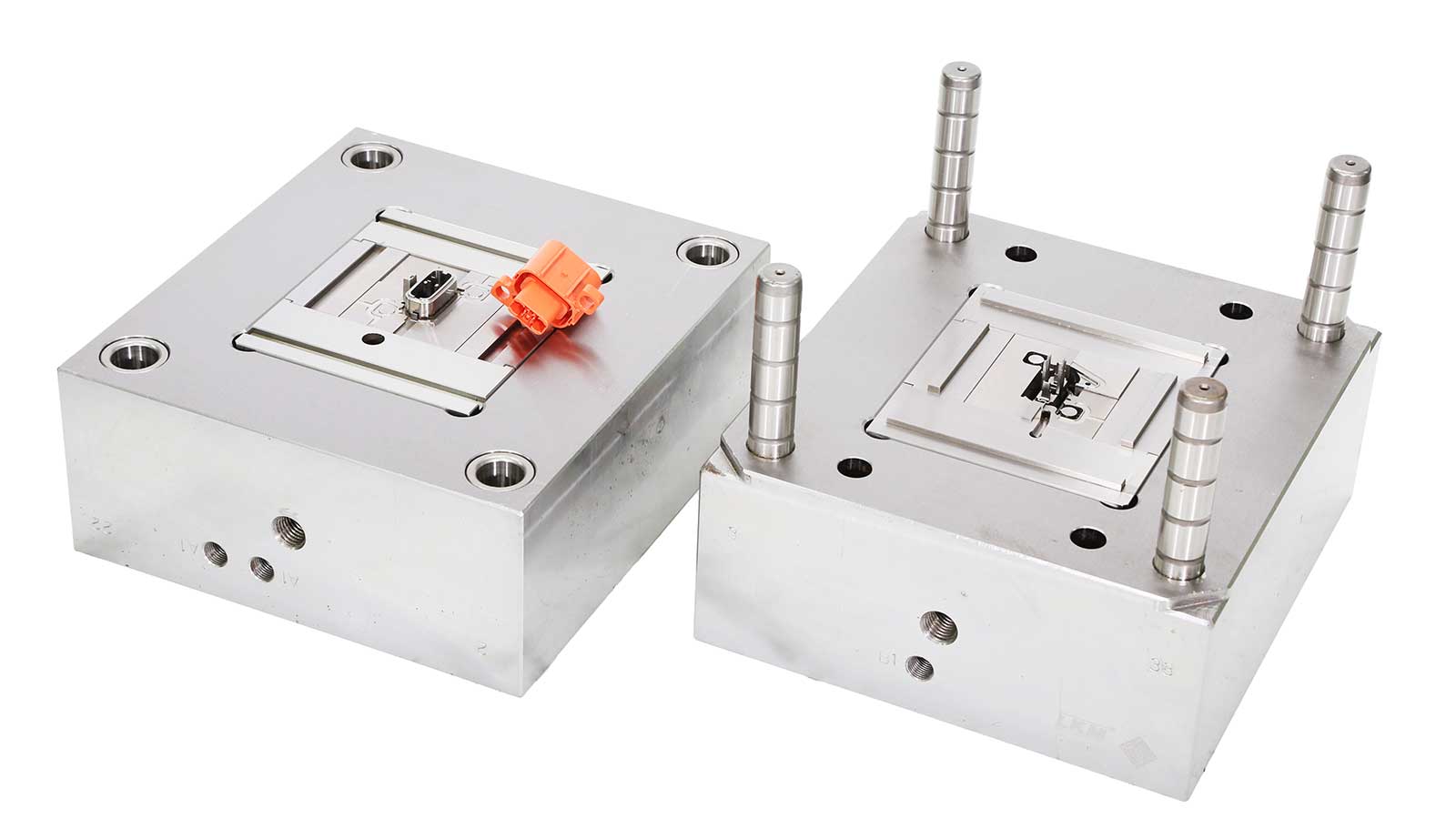
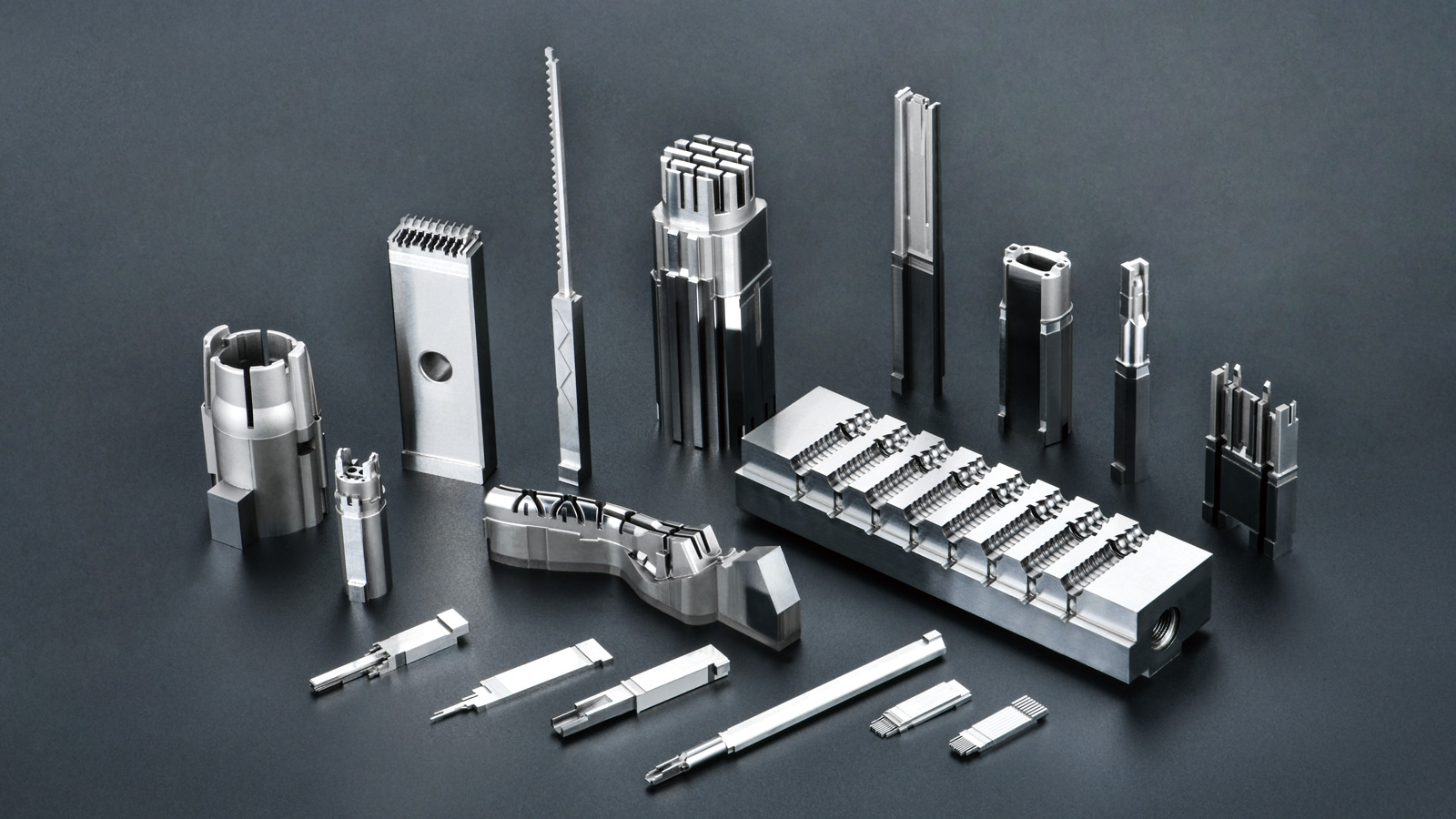
PEEK mold design requires several departures from standard practices. Gate diameters should be a minimum of 1.5 mm for unfilled grades and 2.0 mm for glass or carbon-filled grades to prevent fiber breakage and excessive shear. Runners should be full-round with diameters of 6–10 mm, avoiding trapezoidal or half-round profiles that create premature surface freezing. Mold steel must be selected for sustained service at 160–200°C, with H13 or equivalent hot-work tool steel being the standard choice. P20 and other pre-hardened grades that soften above 150°C should be avoided.
Post-Mold Annealing
For applications requiring maximum crystallinity, dimensional stability, or thermal performance, post-mold annealing is standard practice. The process typically involves heating parts to 200–220°C in a circulating air oven for 2–4 hours, followed by slow furnace cooling. Annealing increases crystallinity from the as-molded 30–35% to 38–45%, improves heat distortion temperature by 10–20°C, and completes dimensional shrinkage to reduce post-assembly variation. Precision components may require fixture-based annealing to prevent distortion during crystallization.
Applications Across Industries
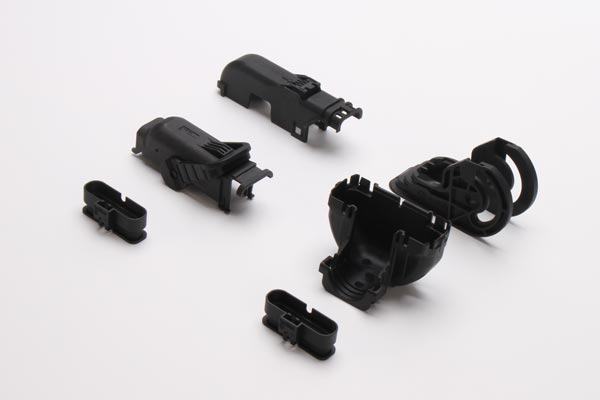
PEEK injection molding serves a diverse range of industries where component performance under extreme conditions is non-negotiable.
Medical and Healthcare
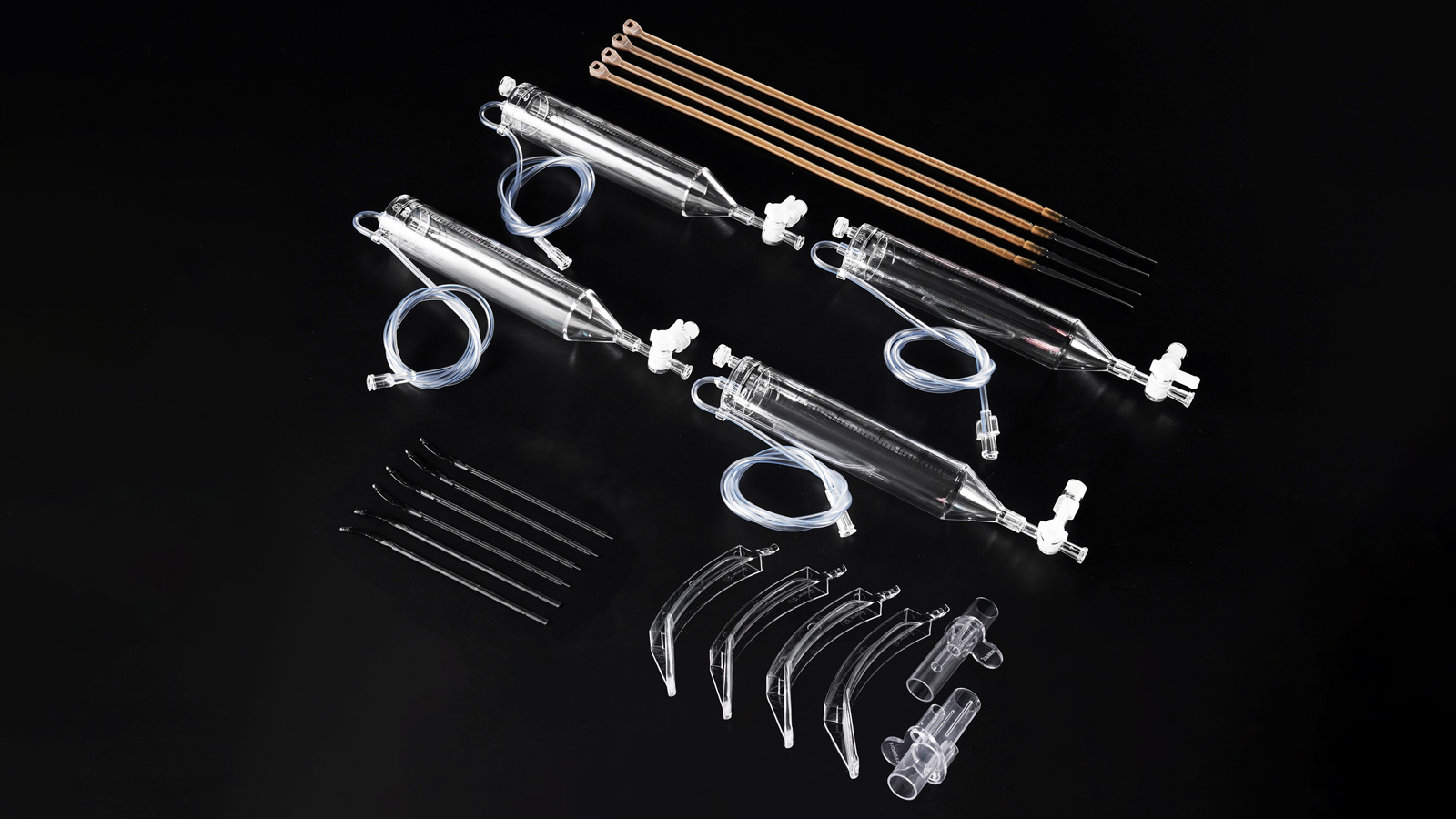
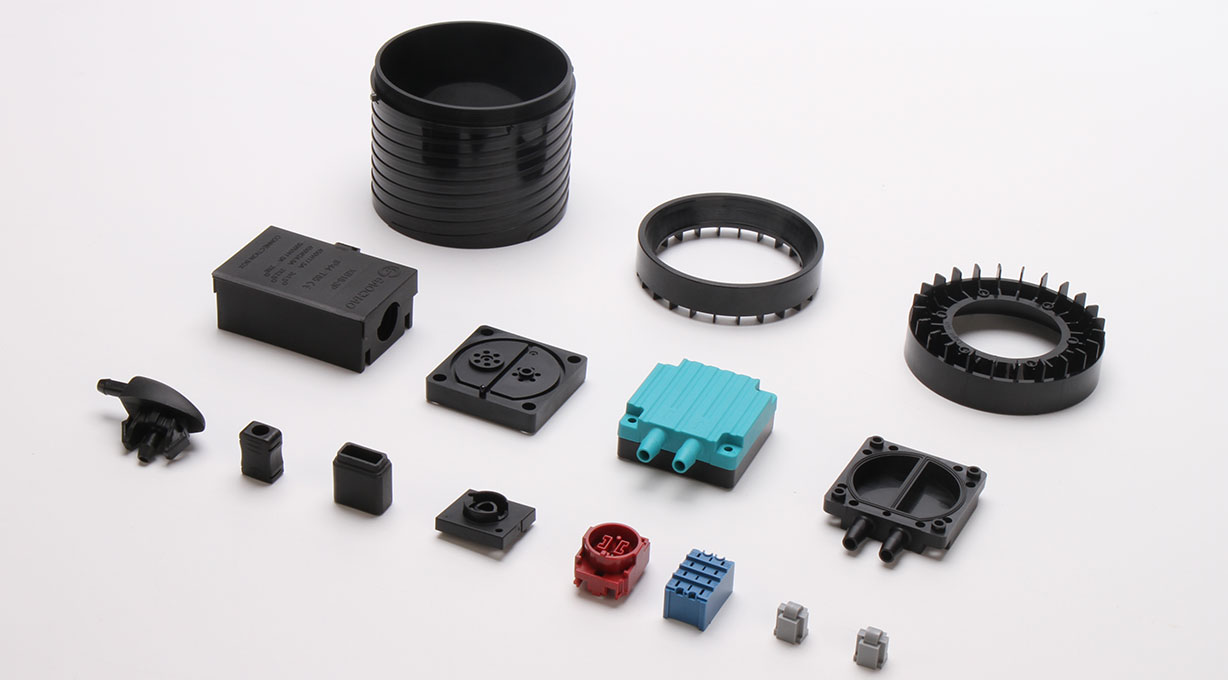
In the medical sector, PEEK is widely used for spinal fixation systems, suture and ligament fixation devices, surgical instruments, and pharmaceutical dispensing components. Its biocompatibility, sterilization resistance, and radiolucent properties make it an ideal alternative to metallic implants. Medical-grade PEEK can be precisely molded to meet the tight tolerances and regulatory requirements of implantable devices.
Aerospace and Defense
Aerospace applications leverage PEEK’s high strength-to-weight ratio and thermal stability for structural components, cabin interior parts, and fluid handling systems. Replacing metal with PEEK reduces overall weight, improving fuel efficiency while maintaining structural integrity. The material’s resistance to jet fuels, hydraulic fluids, and de-icing chemicals further supports its use in demanding aerospace environments.
Semiconductor Manufacturing
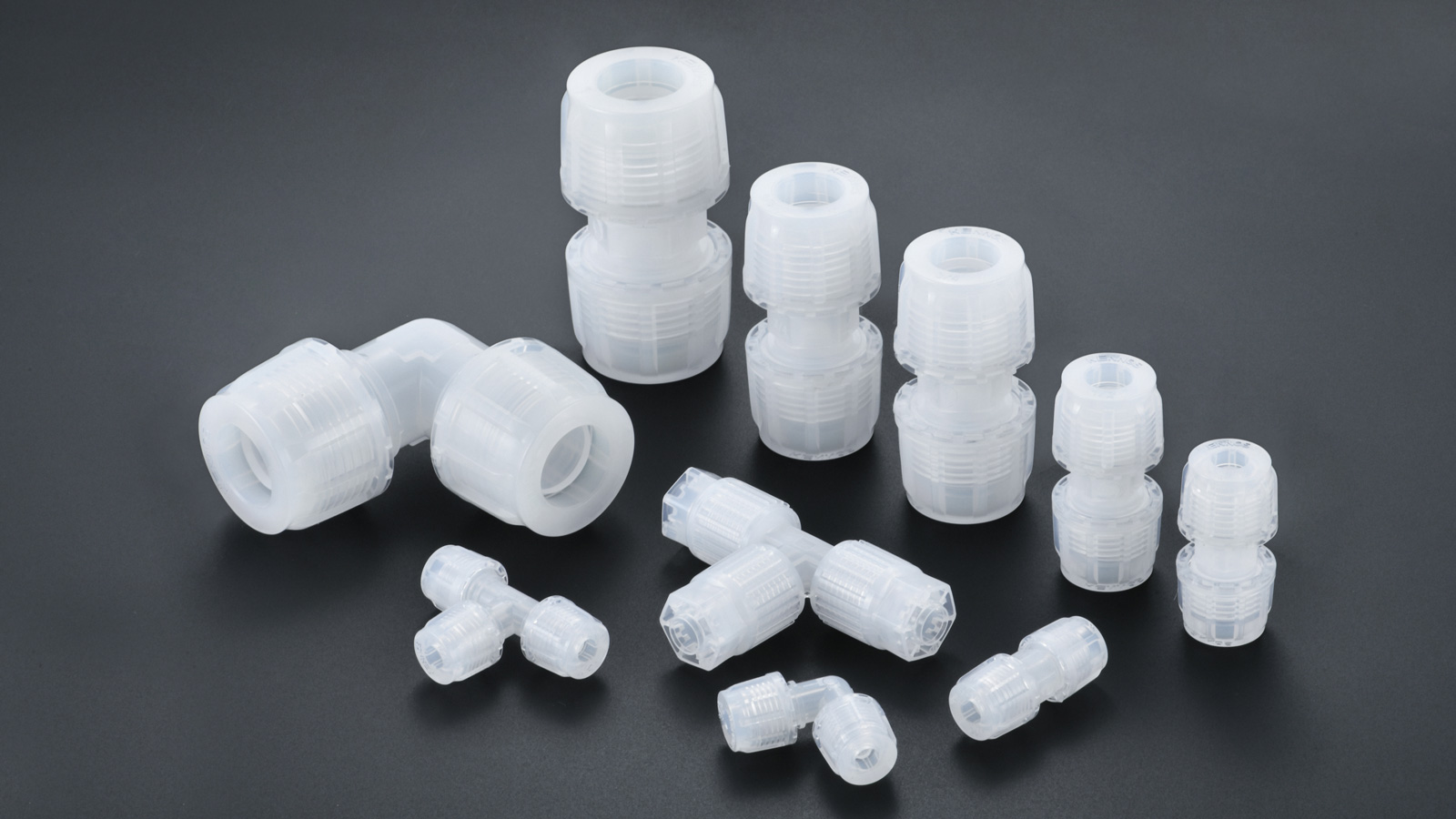
PEEK wafer handling fixtures and semiconductor processing components represent a growing application area. Fab processes require hardware that withstands repeated exposure to hot sulfuric acid, hydrogen peroxide piranha solutions, and high-temperature dry etching environments that destroy virtually every other polymer within days. PEEK survives these conditions while maintaining the dimensional stability required for precise wafer alignment.
Automotive and Industrial
Automotive and industrial applications include engine components, bearings, seals, gears, and fluid handling parts. PEEK’s resistance to oils, fuels, and high operating temperatures makes it suitable for under-hood components and heavy industrial equipment. The material’s self-lubricating properties also contribute to its use in bearing and wear applications.
Energy Sector
In the energy sector, PEEK is deployed in oil and gas downhole components, nuclear power plant parts, and high-temperature structural components for solar thermal power systems. Its ability to withstand high pressure, corrosive fluids, and elevated temperatures ensures reliable performance in the harshest energy production environments.
Selecting the Right PEEK Injection Molding Manufacturer
Choosing the right PEEK injection molding manufacturer is a high-stakes decision that directly impacts product quality, time-to-market, and long-term reliability. While many suppliers can mold commodity plastics, far fewer have the experience, infrastructure, and quality systems required to consistently produce tight-tolerance PEEK components for critical applications.
Technical Expertise and Material Knowledge
Evaluate whether the manufacturer has demonstrated expertise processing high-performance polymers, particularly PEEK in its various grades and reinforced formulations. The supplier should be able to explain how crystallinity, shear behavior, and thermal history affect part performance. Look for manufacturers that offer material guidance and can recommend appropriate PEEK grades based on specific application requirements rather than offering a one-size-fits-all solution.
Dedicated Equipment and Infrastructure
A qualified PEEK injection molder should operate dedicated high-temperature press systems with appropriate tonnage ranges, typically between 50 and 400 tons. The facility should have hot-oil temperature control systems capable of maintaining mold temperatures above 180°C with tight stability tolerances. In-house annealing capability and secondary machining operations are also valuable, as they streamline production and reduce the risk of handling damage between processes.
Quality Systems and Process Control
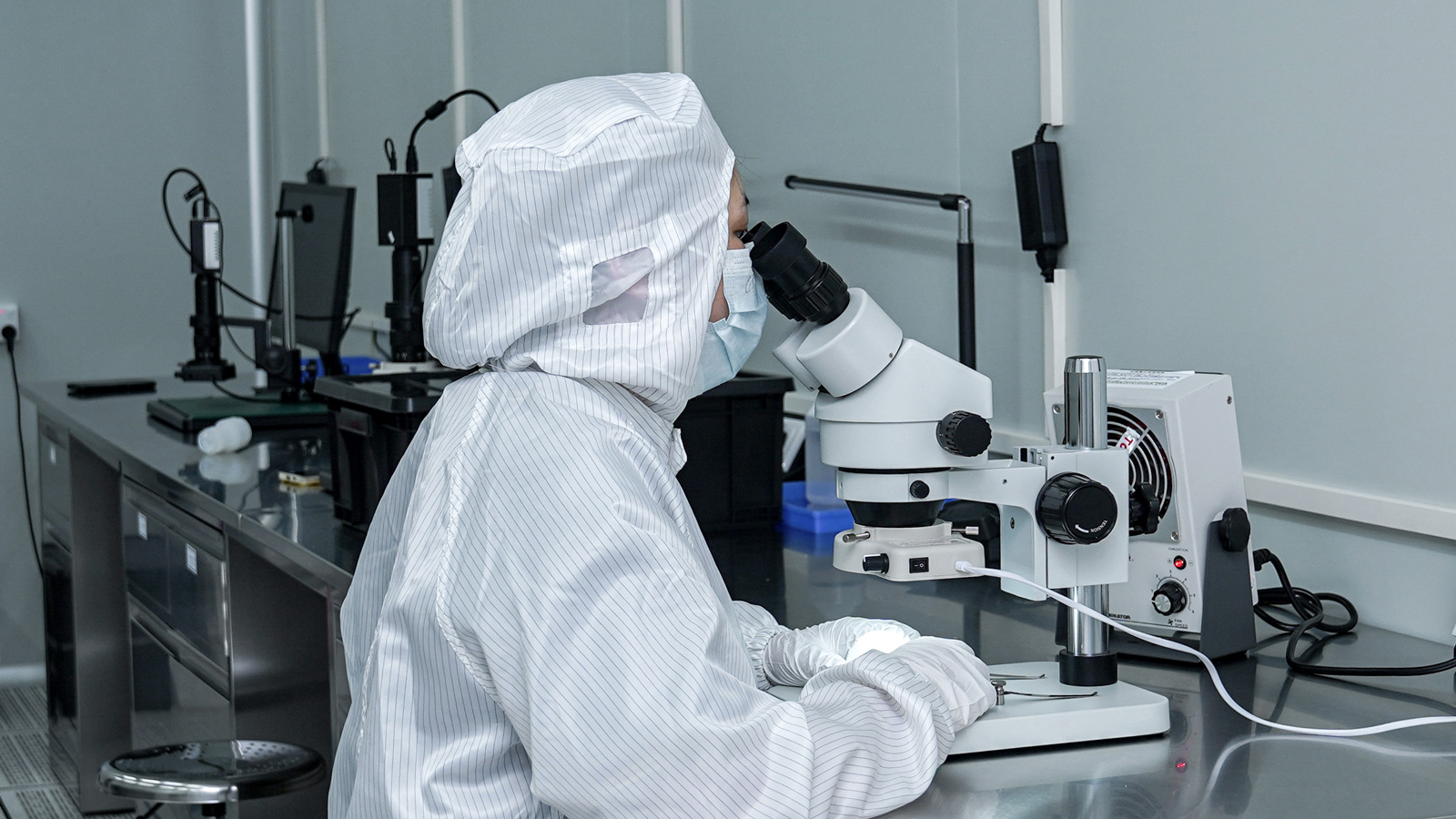
Look for manufacturers with robust quality management systems and comprehensive process monitoring. Real-time cavity pressure and temperature recording, along with first article inspection packages using coordinate measuring machines, are indicators of serious quality commitment. The supplier should also be able to provide melt temperature verification using pyrometry, as barrel temperature calibration errors are a common cause of PEEK part defects.
Design for Manufacturing Support
A capable manufacturer should provide design for manufacturing (DFM) analysis early in the project. This includes identifying potential issues related to wall thickness uniformity, gate placement, venting, and demolding. Manufacturers that offer mold flow analysis before cutting tooling demonstrate a proactive approach to risk mitigation. On a typical PEEK production mold, a short mold flow simulation is a relatively small investment that can prevent expensive rework later.
Scalability and Long-Term Partnership
Consider whether the manufacturer can scale from prototype development through full production while maintaining consistent quality. A supplier that offers collaborative development support, audit assistance, and long-term mold management strategy indicates a commitment to partnership rather than transactional relationships. For programs with multi-year lifecycles, this continuity becomes a significant strategic advantage.
Common Defects and Troubleshooting
PEEK injection molding can produce several characteristic defects when processing parameters are not properly controlled. Understanding these issues helps in quickly identifying root causes and implementing corrective actions.
Warpage and dimensional distortion often result from non-uniform cooling or insufficient hold pressure. Ensuring uniform wall thickness in part design, maintaining balanced mold temperature across the cavity, and optimizing hold pressure and time typically resolve these issues. Splay marks and silver streaks indicate moisture contamination or excessive shear during injection, and can be corrected by verifying drying protocol and adjusting injection speed.
Voids and sink marks may appear when packing pressure is insufficient or wall sections are too thick. Increasing hold pressure and time, or redesigning thick sections with cored geometry, usually addresses this. Surface discoloration or brown streaks signal material degradation from excessive barrel temperature or prolonged residence time, requiring temperature verification and potentially reducing cycle time.
Frequently Asked Questions
Q: What is the typical lead time for PEEK injection molding projects?
A: Lead times vary depending on project complexity and tooling requirements. Prototype tooling typically takes 2–4 weeks, while production tooling for PEEK components generally requires 6–10 weeks. Production lead times after tooling qualification range from 2–6 weeks depending on order volume and post-processing requirements.
Q: How does the cost of PEEK injection molding compare to CNC machining?
A: PEEK injection molding typically becomes cost-competitive with CNC machining at annual volumes of approximately 500 parts or more, depending on part size and complexity. At lower volumes, CNC machining usually has lower upfront costs, but per-unit prices remain significantly higher. The crossover point depends on factors such as part geometry, tolerances, and required surface finishes.
Q: What PEEK grades are commonly used in injection molding?
A: Common injection molding grades include unfilled PEEK for general high-performance applications, 30% glass-filled PEEK for enhanced stiffness and dimensional stability, and 30% carbon-filled PEEK for maximum strength and wear resistance. Medical-grade PEEK formulations are available for implantable and healthcare applications, with additional grades offering modified properties such as improved wear resistance or conductivity.
Q: Can PEEK be overmolded with other materials?
A: Yes, PEEK can be overmolded with certain compatible materials, though its high processing temperature limits the range of suitable substrates and overmold materials. Successful overmolding typically requires careful material selection, surface preparation, and process control. Consulting with an experienced PEEK injection molding manufacturer early in the design process is recommended to evaluate feasibility.
Q: What tolerances can be achieved with PEEK injection molding?
A: PEEK injection molding can achieve tight tolerances, typically within ±0.05 mm for small features and ±0.1% of dimension for larger features, depending on part geometry and size. Achieving the tightest tolerances requires careful mold design, precise process control, and often post-mold annealing to ensure dimensional stability. Critical features may require secondary machining to achieve the most demanding tolerance specifications.