


PEI injection molding is the process of converting polyetherimide (PEI) — an amorphous, high-temperature engineering thermoplastic best known under the trade name ULTEM — into precision parts by drying, melting, injecting and packing the resin inside a heated mold. It is one of the most demanding molding disciplines in high-performance polymers: the material flows at temperatures above 350 °C, requires mold temperatures near 120 °C, and is unforgiving of moisture, long residence time and undersized tooling. This guide sets out the process window, tooling rules, defect patterns and validation expectations that determine whether a PEI project becomes a reliable production program or a chronic yield problem.
Why PEI Is Molded Rather Than Machined
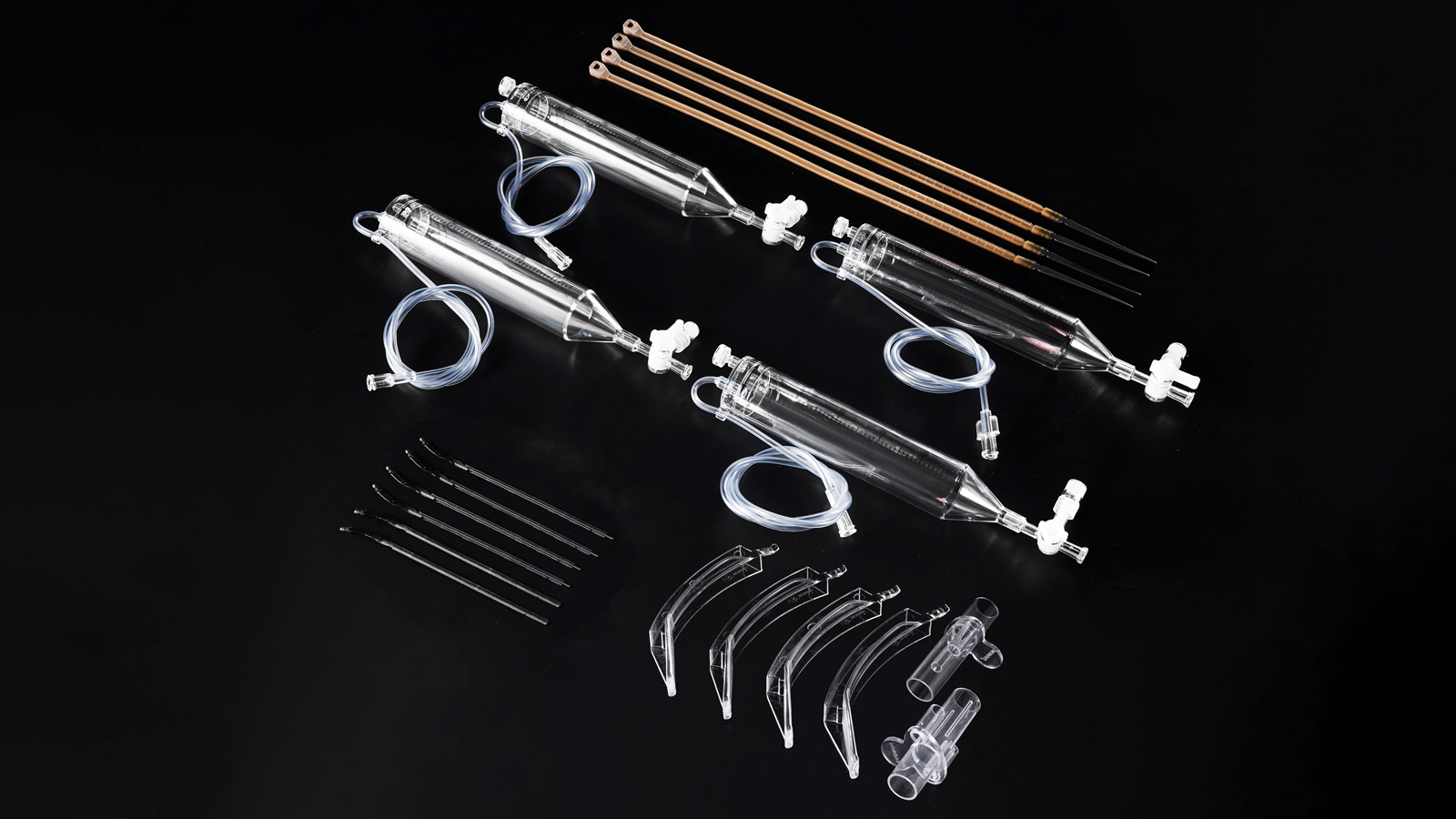
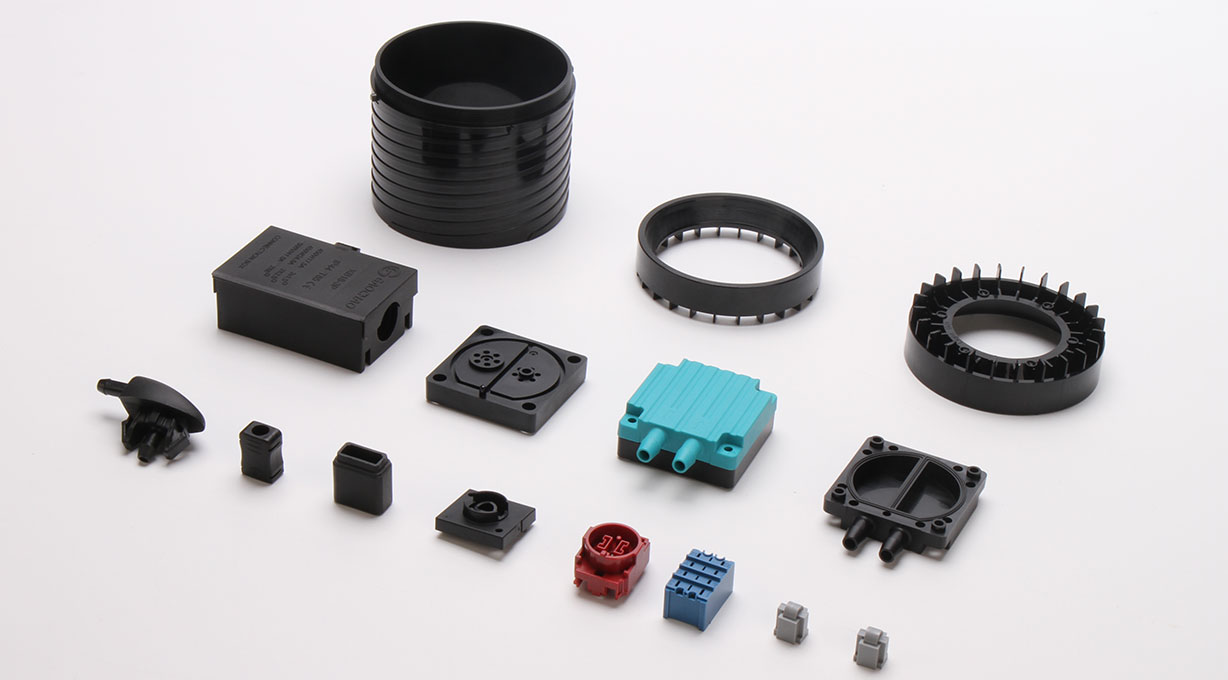
PEI combines a glass transition temperature of roughly 217 °C, continuous service capability near 170 °C, inherent flame retardancy, low smoke emission, high dielectric strength and excellent stiffness retention at elevated temperature. Unfilled grades are amber-transparent, which makes them attractive for medical trays, sterilization cases, analytical housings and light-transparent structural parts. Glass-filled, carbon-filled and wear-modified grades extend the family into structural brackets, pump components, semiconductor handling fixtures and aircraft interior hardware.
Injection molding is preferred over machining because it delivers repeatable cycle times, integrated features such as ribs, bosses and snap fits, and far lower scrap on high-volume programs. The trade-off is that PEI demands a properly specified machine, dryer, hot runner and mold — a general-purpose tool built for polycarbonate or ABS will not produce a stable PEI part.
Material Drying: The First Process Gate
PEI is hygroscopic. Residual moisture at the point of plasticizing causes hydrolytic degradation, visible as silver streaking, brittle parts and unpredictable mechanical performance. Drying is therefore not a preparatory step but a controlled process variable.
Recommended practice is a desiccant dryer operating at 150–160 °C with a dew point of −20 °C or lower, for four to six hours depending on pellet condition and hopper configuration. Residual moisture should be verified at or below 0.02 percent using a moisture analyzer before the material is released to production. Regrind must be dried separately and re-verified, because its higher surface area absorbs moisture faster than virgin pellets.
Practical controls worth enforcing on the floor: sealed and desiccant-protected material handling between dryer and hopper, a dryer dew point reading recorded per lot, and a maximum hopper residence at temperature to prevent over-drying and color shift.
Melt Temperature and Barrel Profile
The workable melt range for unfilled PEI is broadly 340–390 °C, with most production processes running a melt temperature between 350 °C and 380 °C. A typical ascending profile is 300–320 °C at the feed zone, 340–360 °C in the transition zone, 360–380 °C at the metering zone, and a nozzle set 5–10 °C above the front zone.
Three rules protect the material. First, residence time above melt temperature should be kept short — typically under eight minutes — so screw recovery, shot size and cycle time must be balanced against barrel capacity. Second, the screw, check ring and nozzle must be free of dead spots that trap material and generate carbonized specks. Third, melt temperature should be confirmed with a purge or needle probe rather than trusted from the set points, since shear heating in a small barrel can add 15–25 °C above the controller reading.
Glass-filled grades generally run at the lower half of the range to reduce fiber attrition and screw wear, while thin-wall or long-flow parts sit at the upper half.
Mold Temperature Is a Process Variable
For amorphous high-heat resins, mold temperature governs flow length, packing efficiency, molded-in stress and surface quality. PEI molds are typically run at 100–130 °C using oil-based temperature controllers, with separate circuits for cavity, core and slides to hold turbulent flow and even surface temperature.
Cold molds produce short shots, jetting, high frozen-in stress and poor weld-line strength. Overheated molds lengthen cycles and can cause demolding distortion on thin ribs. The correct setting is the lowest mold temperature that fills the part cleanly and holds dimensions, then verified by cavity pressure and part stress evaluation.
Thermal expansion is a tooling consideration as well: a steel mold at 120 °C grows measurably, so critical shut-offs, sliding fits and hot-runner interfaces must be toleranced for the operating temperature, not room temperature.
Tooling and Machine Requirements
PEI tooling follows high-temperature engineering practice rather than commodity molding practice.
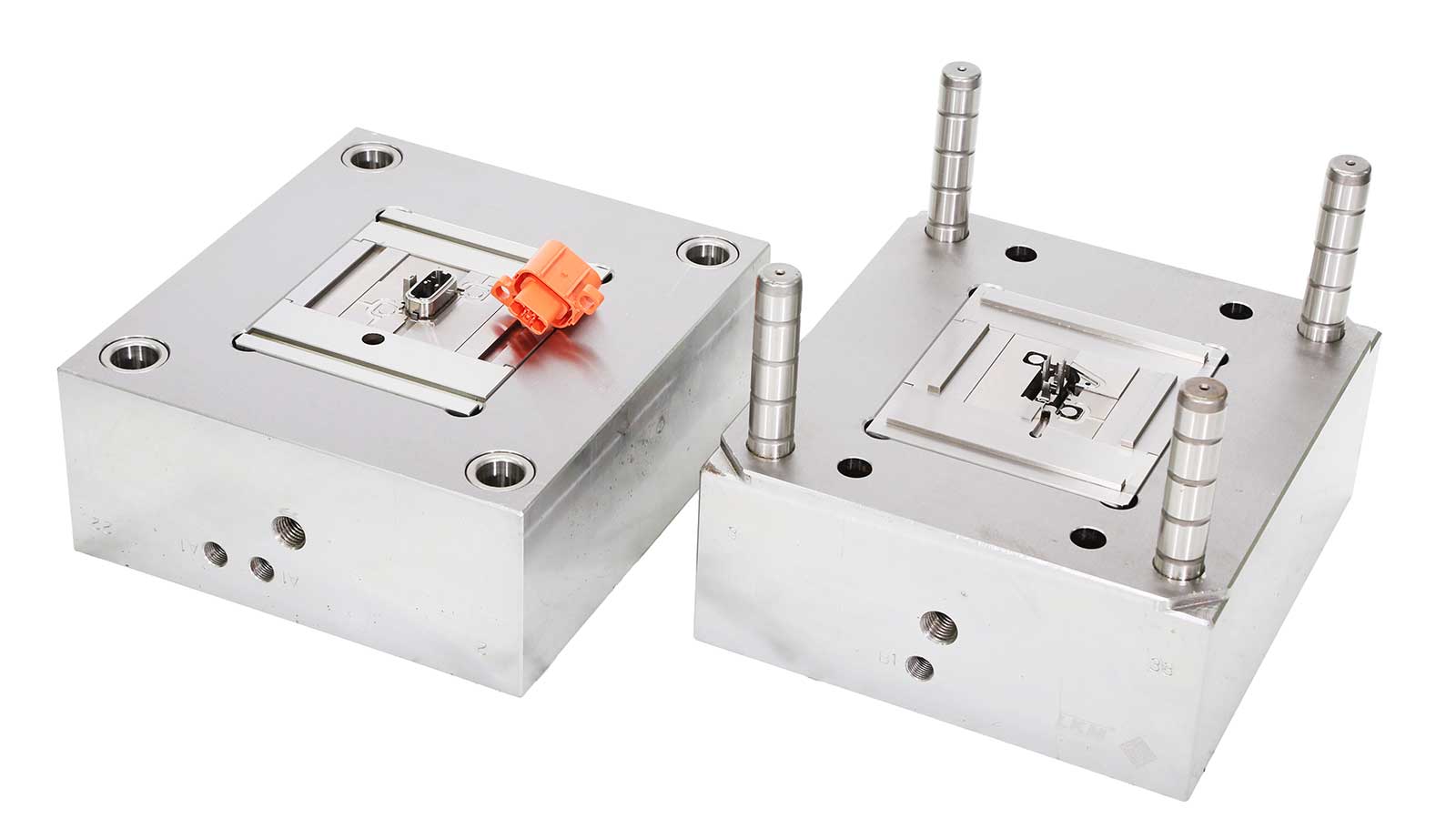
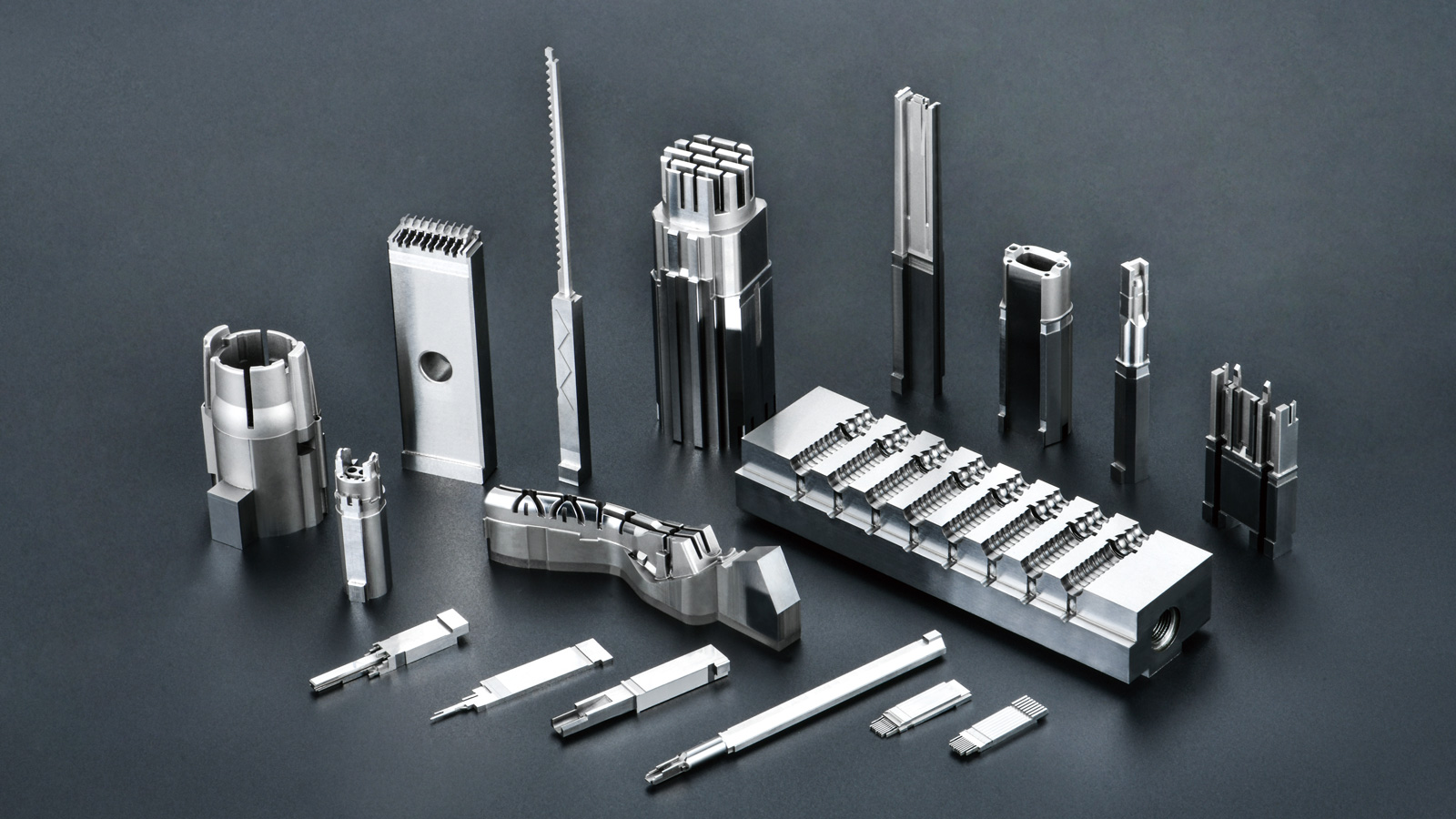
- Mold steel should be a hardened or pre-hardened grade with adequate core hardness; glass- and carbon-filled grades call for hardened inserts, polished flow paths and, in high-volume programs, wear-resistant coatings on gates and hot-runner tips.
- Gates must be generous. Full-round or wide rectangular gates with a minimum depth around 1.0–1.5 mm reduce shear, jetting and gate blush; small pin gates are a common cause of failure on PEI parts.
- Venting should be deeper than for commodity resins — roughly 0.02–0.03 mm depth and 3–6 mm land width — located at the last fill point, weld lines, rib intersections and boss cavities. PEI fills fast and traps gas quickly; inadequate venting shows up as burns and short shots.
- Cooling and heating circuits need capacity for oil at up to 150 °C with balanced flow, plus insulated hoses and manifolds rated for the temperature.
- Hot runners are viable but must be a properly engineered system: manifold and nozzle temperatures capable of 400 °C, thermal isolation from the plate, valve-gate sequencing where cosmetic gates are required, and a verified even temperature profile across all drops.
On the machine side, clamp force should be sized from realistic cavity pressure — commonly 600–900 bar inside the cavity for PEI — rather than generic tonnage rules. The screw should be a gradually tapered, general-purpose design with an L/D of roughly 20:1 to 24:1 and a compression ratio near 2.0–2.5:1; aggressive barrier or high-shear mixing screws are usually counterproductive for this resin. For filled grades, a bimetallic barrel and wear-resistant screw are minimum requirements, not options.
Injection Profile, Packing and Cooling
PEI is normally filled fast in the first stage to avoid freeze-off in thin sections, then profiled down as the cavity fills to control flash and stress. Multi-stage velocity profiling is standard. Packing pressure should be set from part weight and dimensional targets, with hold time ending at gate freeze — a simple gate freeze study establishes this empirically for each tool.
Cooling time is driven by wall thickness and mold temperature rather than by arbitrary timers. Because PEI is amorphous, parts eject hotter and softer than semi-crystalline resins; ejector area, draft angles and demolding temperature need to accommodate that. A common cause of hidden damage is ejecting a part that is dimensionally set but still thermally uneven, which shows up later as warp or cracking under load.
Shrinkage, Warpage and Stress Relief
Unfilled PEI typically exhibits mold shrinkage in the range of 0.7–1.0 percent, while glass-filled grades run lower and become anisotropic, with flow-direction shrinkage meaningfully lower than cross-flow shrinkage. Tool dimensions should be built from the specific grade’s shrinkage data, and flow simulation is worth the investment on any part with tight tolerances, long fiber flow paths or mixed wall sections.
Warpage in PEI is primarily a stress and cooling-uniformity problem, not a shrinkage-value problem. Gate location, packing balance, differential mold temperature and uneven ejection all contribute. Where flatness or dimensional stability is critical, post-mold annealing is the standard remedy: a controlled ramp to a temperature below the glass transition — commonly in the 170–200 °C range depending on grade and section — a hold of several hours, and a slow, uniform cool. Annealing also relieves machining stress on secondary operations. Parts should be measured after annealing and conditioning, not immediately off the press.
Defect Patterns and Their Real Causes
Knowing the signature of each defect shortens debugging considerably.
- Silver streaks, splay or a frosted surface usually indicate moisture, excessive shear at an undersized gate, or a cold mold rather than a bad resin lot.
- Black specks and brown streaks point to residence time, barrel dead spots or hot-runner hot spots; they worsen when production stops and restarts without purging.
- Short shots at the end of flow generally trace to venting, injection speed, mold temperature or inadequate pressure transfer, in that order of likelihood.
- Jetting and gate blush come from gate geometry and the initial injection velocity, not from the packing profile.
- Voids and sink in heavy sections require redesigned wall transitions or extended packing more often than higher pressure.
- Cracking in service, especially near inserts or solvent contact, is usually residual molded-in stress combined with chemical exposure — the fix is annealing plus a stress analysis, not a material change.
- Warpage is addressed through balanced cooling, symmetric gating and, where necessary, fixture-cooling or annealing.
Process Control and Validation
PEI parts are typically specified into regulated or high-reliability applications, so process control must be documented rather than tacit. Establish a process window with a designed experiment covering melt temperature, mold temperature, injection velocity, packing pressure and cooling time; then define setpoints and alarm limits inside the validated window.
For medical programs, installation, operational and performance qualification, biocompatibility evaluation per ISO 10993 and sterilization compatibility testing are baseline expectations, and the quality system should run to ISO 13485. Aerospace work typically requires AS9100 oversight, first-article inspection to the drawing model and material certifications with lot traceability. Automotive and industrial programs expect PPAP-style submissions with capability studies — a process capability index of 1.33 or better on critical dimensions is the usual entry criterion.
Material documentation matters as much as dimensional data: resin lot certificates, drying records, regrind percentage limits, and a validated maximum regrind ratio, since PEI regrind degrades faster than virgin resin and is not appropriate at high ratios in structural or optical parts.
What to Verify Before Selecting a Manufacturing Partner
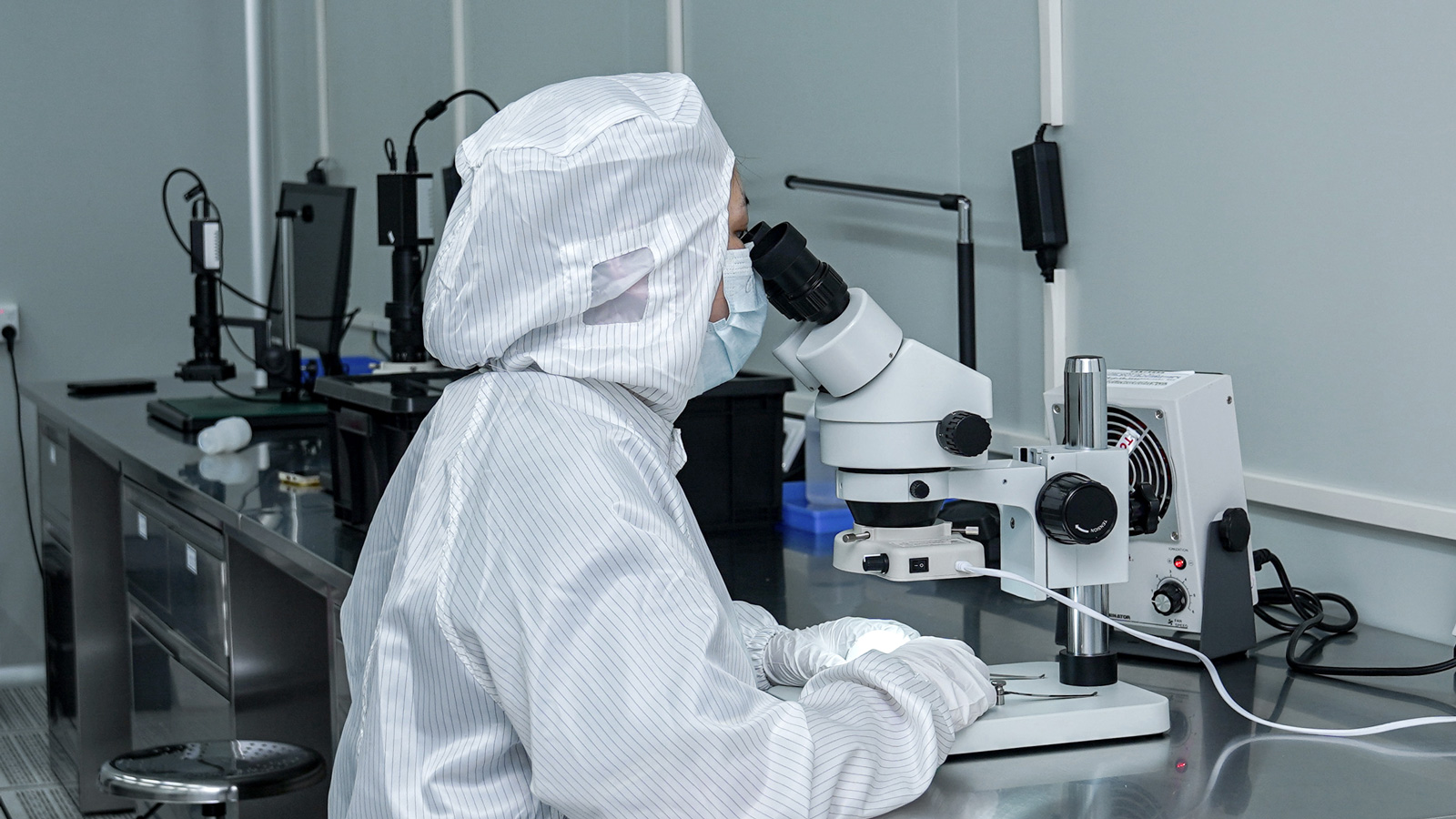
A supplier claiming PEI capability should be able to demonstrate, not just describe, the following: desiccant drying with monitored dew point, oil-based mold temperature control to at least 130 °C, machines with adequate barrel capacity for short residence time at 380 °C, experience with hot runner systems at these temperatures, an annealing capability with controlled ramps, and metrology that includes moisture analysis alongside dimensional inspection. Ask for a process capability study on a comparable part, a defect history from a real PEI program, and a clear statement of their regrind policy. A toolmaker who has built high-temperature molds will raise thermal expansion and venting in the first technical conversation; one who does not is a schedule risk.
FAQ
What drying conditions does PEI injection molding require? Dry PEI in a desiccant dryer at 150–160 °C with a dew point of −20 °C or lower for four to six hours, and verify residual moisture at or below 0.02 percent before molding. Wet resin causes silver streaks, brittleness and inconsistent mechanical properties.
What melt temperature should be used for PEI? Most unfilled grades run with a melt temperature of 350–380 °C, within a workable range of roughly 340–390 °C. Keep residence time under about eight minutes and confirm actual melt temperature with a purge probe rather than relying on controller setpoints.
Why does PEI need a high mold temperature? Molds are typically held at 100–130 °C with oil temperature controllers. A hot mold improves flow, reduces molded-in stress, strengthens weld lines and prevents short shots and jetting that appear when a high-melt resin fills a cold cavity.
Can glass-filled PEI be molded on standard equipment? Not reliably. Filled grades require a bimetallic barrel, a wear-resistant screw, hardened gate inserts and often wear coatings, and they run at the lower half of the melt range to limit fiber breakage.
Is annealing necessary after PEI injection molding? It is strongly recommended for parts with tight flatness or dimensional requirements, thick sections, inserts, or service under load or chemical exposure. Annealing relieves molded-in stress and improves dimensional stability.
What shrinkage should tooling be designed for? Unfilled PEI typically shrinks 0.7–1.0 percent, while glass-filled grades shrink less and anisotropically. Use the specific grade’s published shrinkage data and confirm critical dimensions with flow simulation or a trial tool.
Can PEI parts be sterilized and used in medical devices? Yes, appropriate grades are used in medical trays, instrument housings and sterilization cases. Sterilization method compatibility, repeat-cycle performance and biocompatibility must be validated for the specific grade and application.