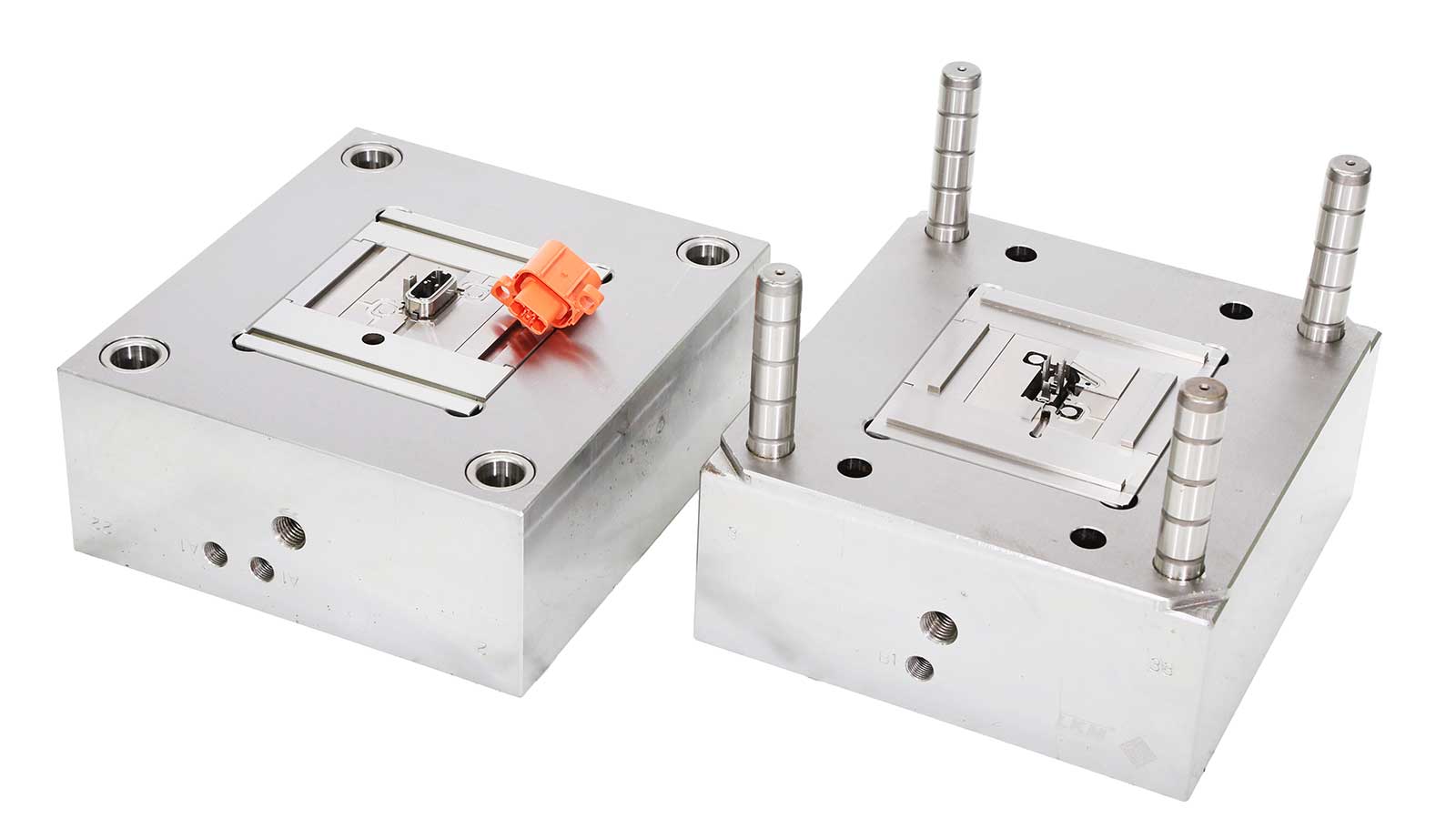
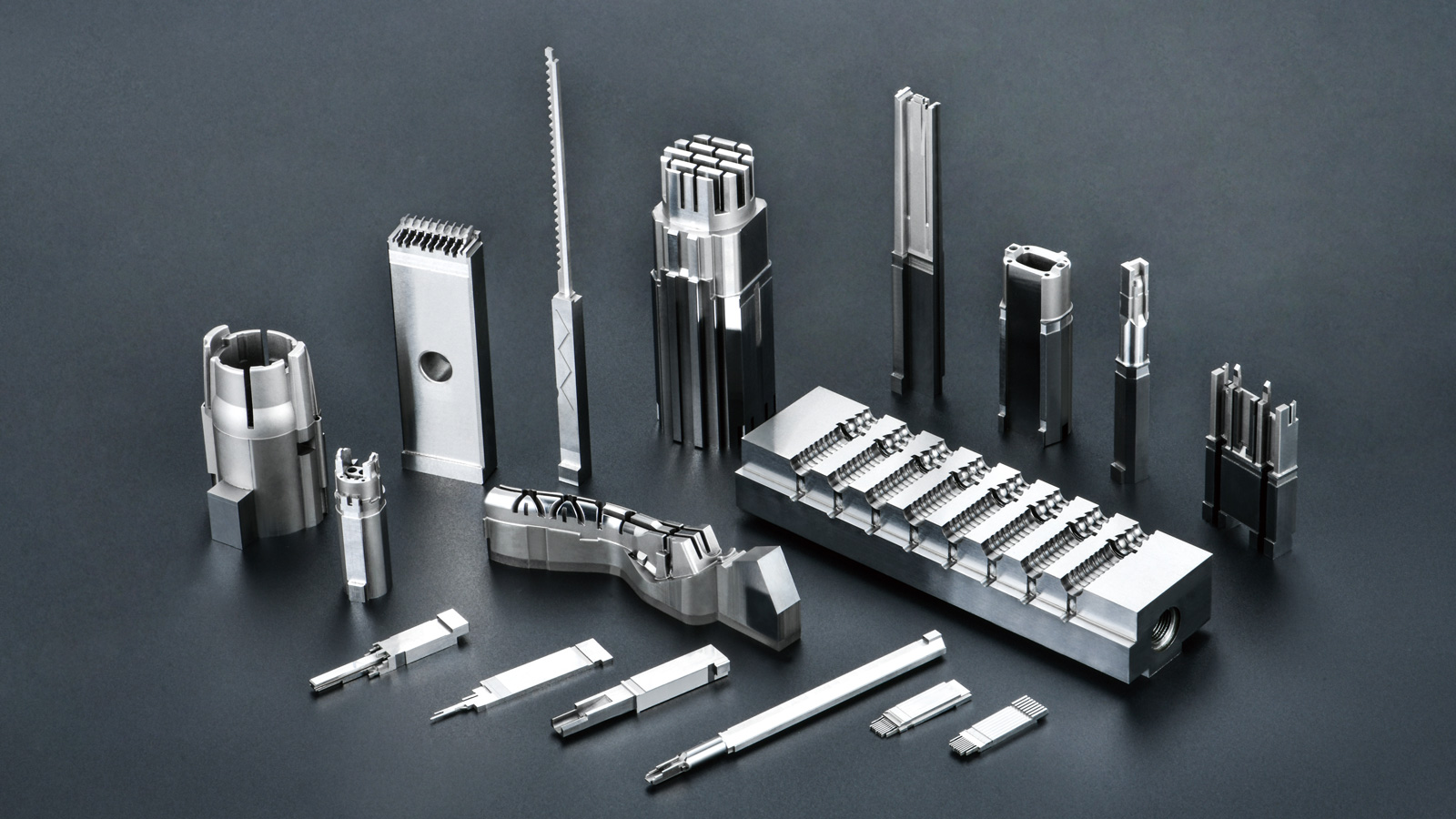
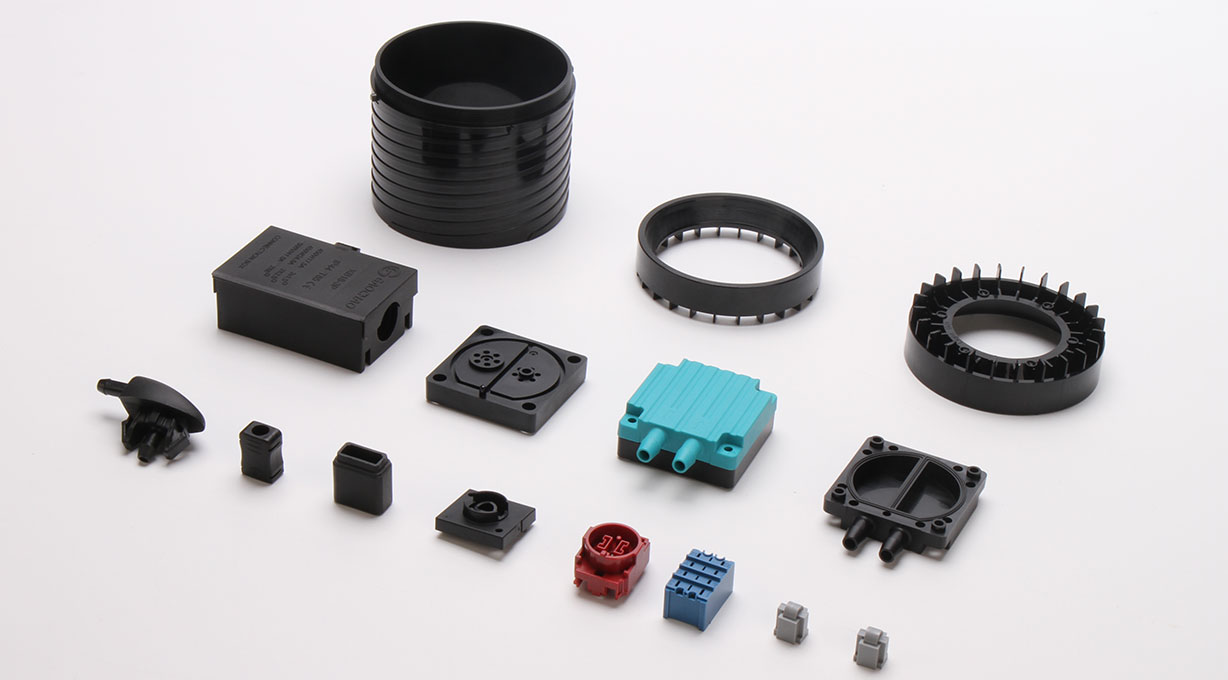
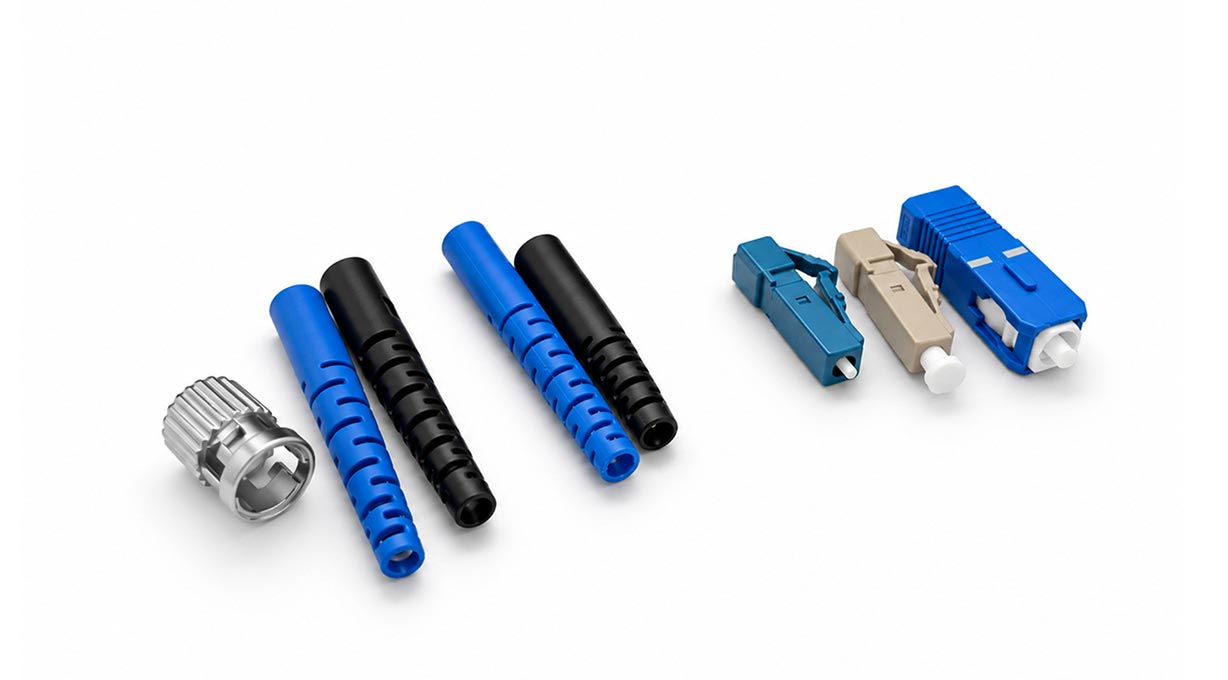





In injection molding, the shrinkage rate is a critical variable that determines the dimensional accuracy of molded parts. Since shrinkage fluctuates with injection pressure, melt temperature, and mold temperature, uncontrolled variations can result in out-of-tolerance dimensions, assembly failures, and even mass rejection. Preventing molding shrinkage errors requires a systematic approach across three dimensions: cavity pressure balance, cavity layout design, and mold temperature control.
1. Balance Cavity Pressure to Stabilize Shrinkage
During injection molding, the shrinkage rate changes as injection pressure changes. Therefore:
- For single-cavity injection molds, the cavity pressure within the cavity should be kept as consistent as possible;
- For multi-cavity injection molds, the difference in cavity pressure between cavities should be kept minimal.
For single-cavity molds with multiple gates, or multi-cavity molds with multiple gates, injection must be carried out at the same injection pressure to keep cavity pressures consistent. To achieve this, gate positions must be balanced so that the pressure at the gate entrance remains uniform.
It is important to note that gate pressure balance is closely related to the flow resistance in the runner system. Therefore, runner balance must be established before gate pressure can be balanced; otherwise, subsequent pressure adjustments will not be effective.
2. Optimize Cavity Layout and Runner Design to Minimize Shrinkage Differences Between Cavities
Melt temperature and mold temperature directly affect the actual shrinkage rate. When designing cavities for a precision injection mold, special attention must be paid to cavity layout, as it facilitates the determination of molding process conditions.
As molten plastic brings heat into the mold, the mold temperature gradient typically distributes around the cavities in concentric circles centered on the main sprue. Based on this temperature distribution pattern, design measures such as balanced runners, proper cavity layout, and concentric circular arrangement centered on the main sprue are essential for reducing shrinkage rate differences between cavities, expanding the allowable range of molding process conditions, and lowering production costs.
The cavity layout of a precision injection mold must simultaneously satisfy two requirements: runner balance and arrangement centered on the main sprue. It must adopt a cavity arrangement symmetrical about the main sprue; otherwise, shrinkage differences will occur between cavities, directly affecting part consistency and overall yield.
3. Strictly Control Mold Temperature to Ensure Part Quality and Dimensional Stability
Mold temperature has a significant impact on the molding shrinkage rate. It also directly affects the mechanical properties of molded parts and may cause molding defects such as surface splay (silver streaks). Therefore, the mold must be maintained within the specified temperature range, and the mold temperature must not fluctuate over time. Likewise, the temperature difference between cavities of a multi-cavity mold must remain stable.
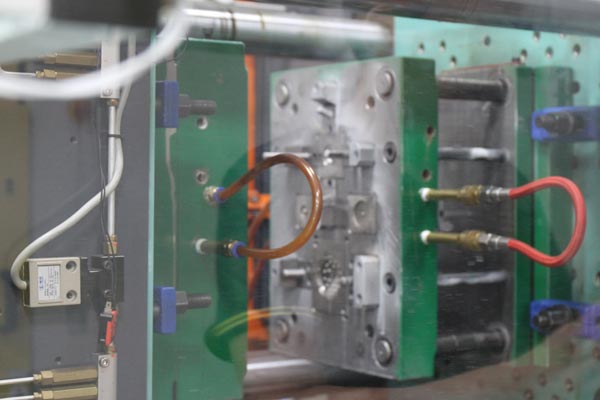
To achieve this, molds must be designed with heating or cooling temperature control measures. To minimize temperature differences between cavities, the design of the temperature control and cooling circuits is particularly critical. In cavity and core temperature control circuits, there are two main connection methods: series cooling and parallel cooling. The appropriate method should be selected based on the actual mold structure and temperature control accuracy requirements to maintain a consistent and stable temperature field across all cavities.
Conclusion
Preventing molding shrinkage errors hinges on the coordinated implementation of three principles: pressure balance, symmetrical layout, and temperature stability. By balancing cavity pressure, optimizing cavity layout and runner design, and strictly controlling mold temperature and cooling circuits, manufacturers can effectively minimize shrinkage differences between cavities, improve dimensional accuracy and quality consistency of molded parts, while expanding the allowable range of process conditions and reducing production costs.
Frequently Asked Questions (FAQ)
Q1: What is the difference between single-cavity and multi-cavity molds in shrinkage control? For single-cavity molds, the focus is on keeping the cavity pressure consistent within the cavity. For multi-cavity molds, the cavity pressure difference between cavities should be kept minimal, achieved through balanced runner and gate designs.
Q2: Why must runner balance be achieved before gate pressure balance? Gate pressure balance is directly related to the flow resistance in the runners. If runner resistance is inconsistent, the gate entrance pressure cannot remain uniform even when the same injection pressure is applied. Therefore, runner balance must be established first to enable balanced gate and cavity pressures.
Q3: Why must the cavities of a precision mold be arranged symmetrically about the main sprue? The mold temperature gradient typically distributes in concentric circles centered on the main sprue. Arranging cavities symmetrically about the main sprue ensures that all cavities experience the same temperature field and runner conditions, thereby avoiding shrinkage differences caused by asymmetric layouts.
Q4: How should series and parallel cooling circuits be selected? Parallel cooling delivers coolant to each circuit at the same temperature, resulting in smaller temperature differences and more uniform temperature control across cavities, making it suitable for precision multi-cavity molds with high temperature uniformity requirements. Series cooling offers a simpler structure, but the coolant temperature gradually rises along the circuit, which may create temperature gradients. The final choice should be based on the mold structure and temperature control accuracy requirements.