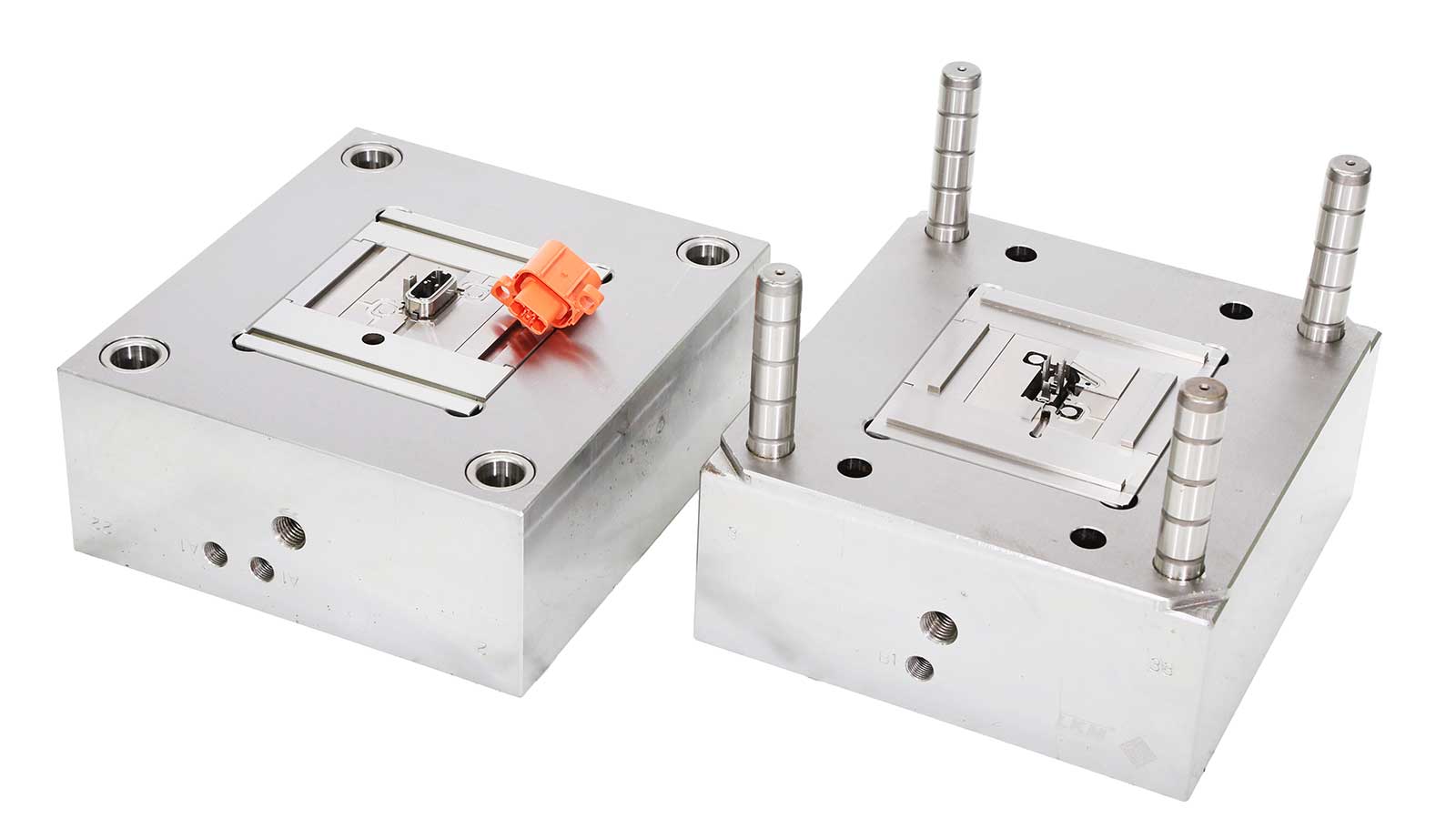
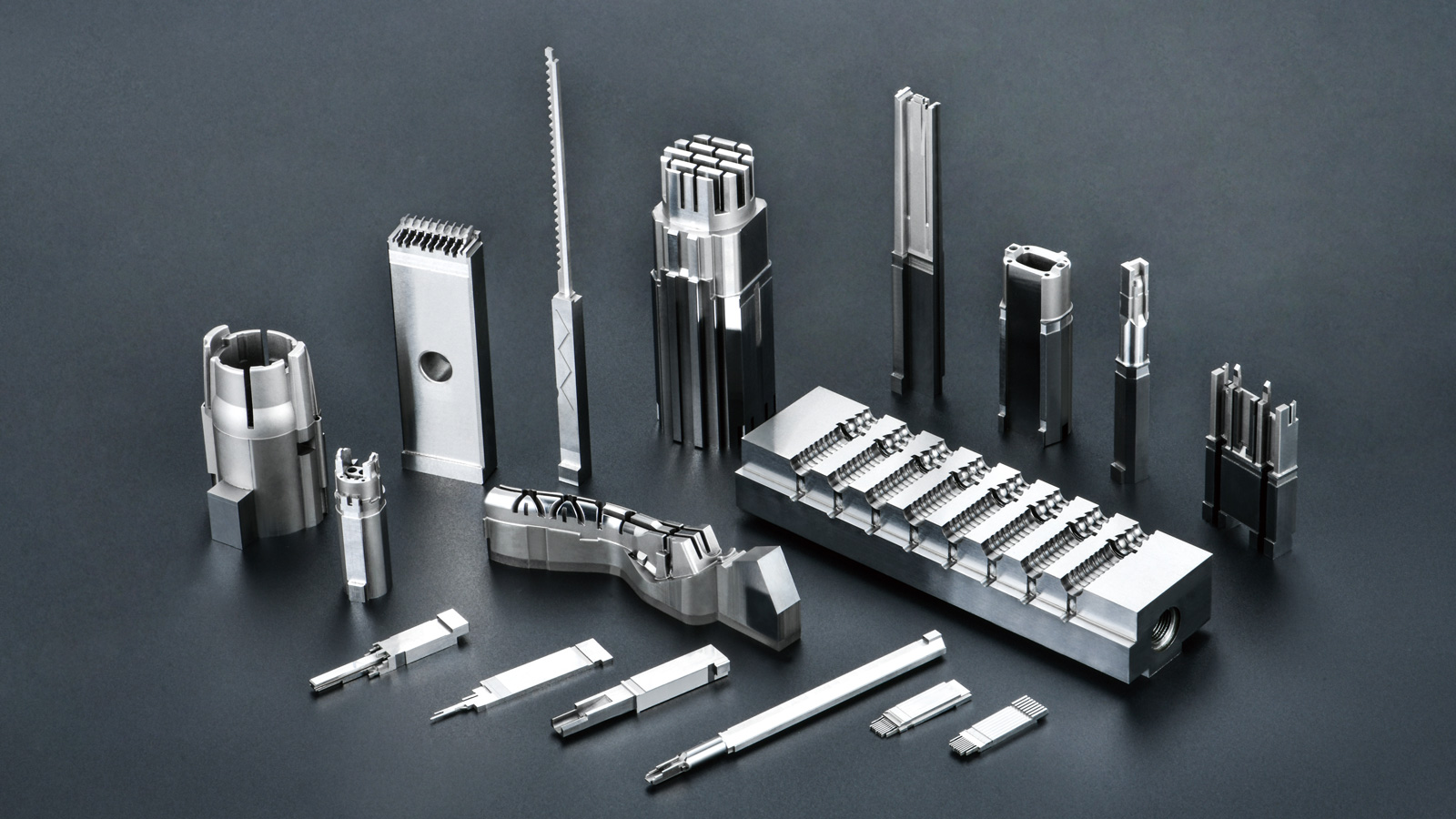
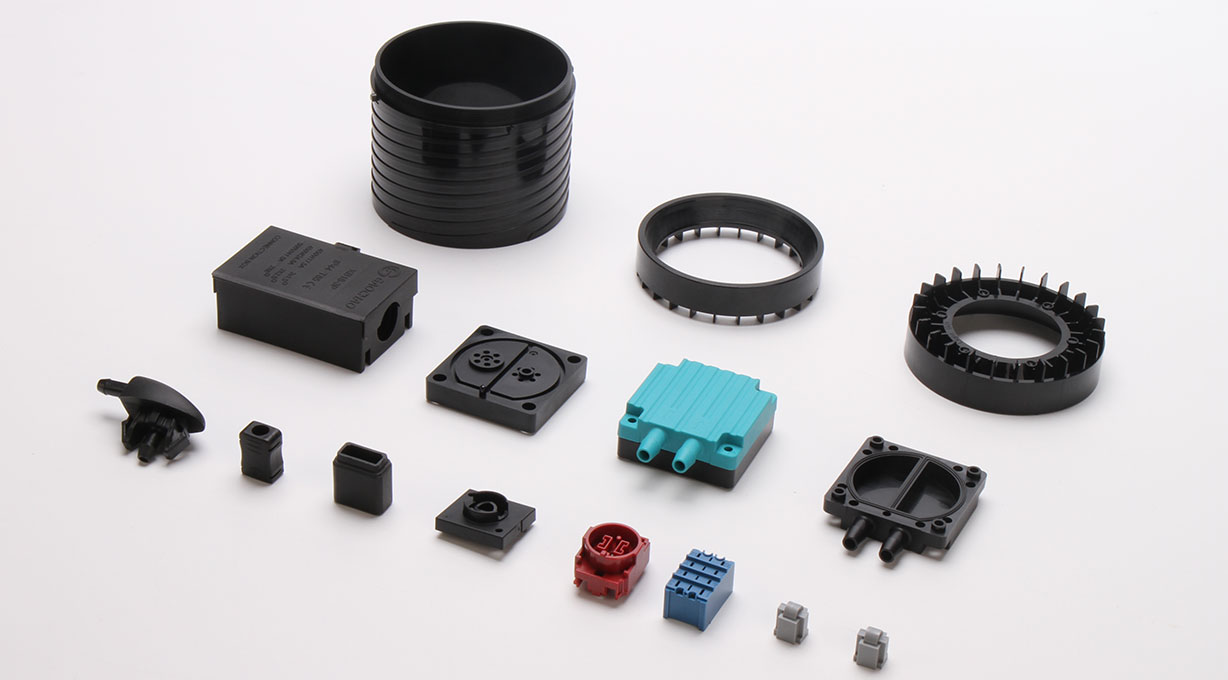
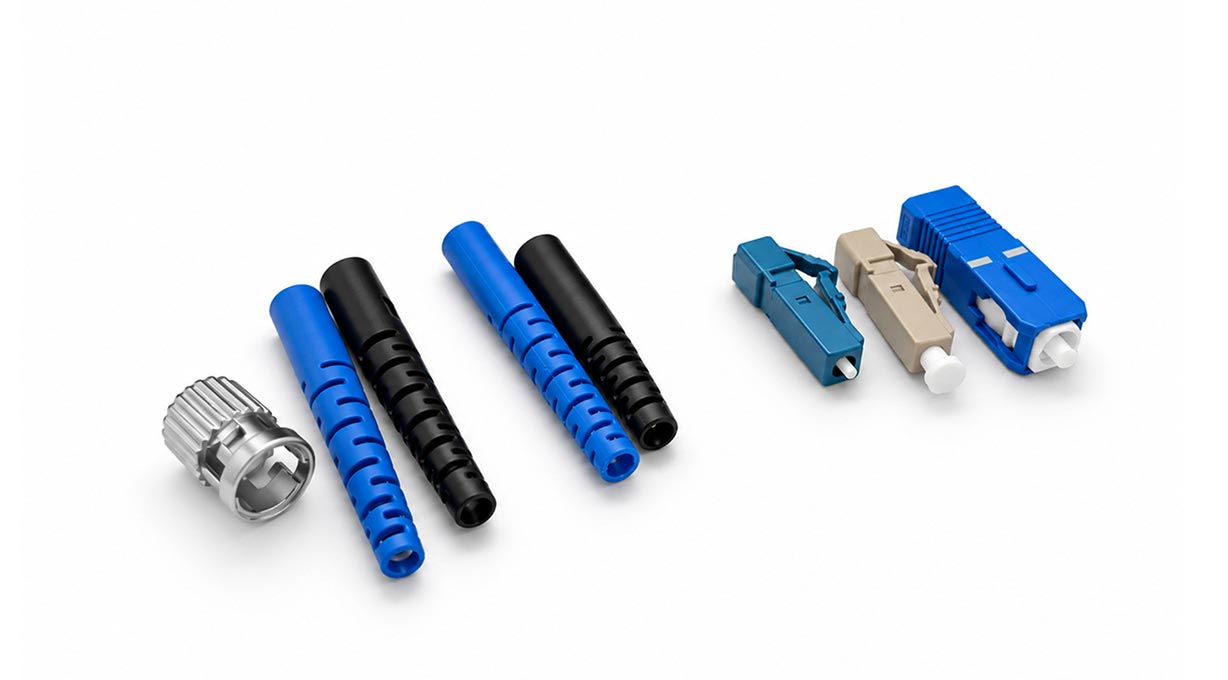





Plastic mold assembly is a critical stage in the mold manufacturing process. Its level of precision directly determines mold closure quality, dimensional consistency of molded parts, and service life over volume production. Deciding how to achieve the required assembly precision under given production conditions is therefore an unavoidable question in both process engineering and management decisions at mold manufacturers. At present, four assembly methods are commonly used in the industry to ensure plastic mold assembly precision: the interchangeable assembly method, the selective assembly method, the fitting (repair) assembly method, and the adjusting assembly method. Each is described below in terms of principle and applicable scope.
1. Interchangeable Assembly Method
When the interchangeable assembly method is adopted, every part to be assembled can be installed directly and meet the specified assembly precision requirements without any sorting, fitting, or adjustment. The defining feature of this method is that assembly precision depends mainly on the manufacturing precision of the parts — that is, the assembly result is guaranteed by strictly controlling part dimensions and interchangeability. Its advantages are high assembly efficiency, suitability for flow-line organization, and easy spare-part replacement, but it places comparatively high demands on part machining precision.
2. Selective Assembly Method
The selective assembly method enlarges the tolerances of the constituent links in the assembly dimension chain to an economically feasible level, and then selects suitable parts for assembly, so as to guarantee the required plastic mold assembly precision. It applies to situations where assembly precision requirements are high while the number of constituent links is small, in batch or large-batch production. This method strikes a good balance between precision assurance and manufacturing cost, but it requires a supporting system for measurement grouping and part management.
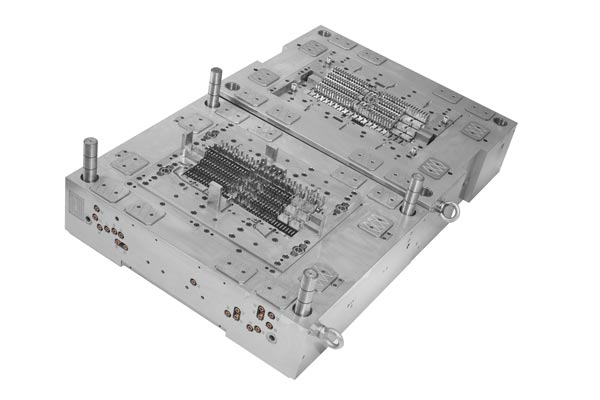
3. Fitting (Repair) Assembly Method
The fitting assembly method manufactures each constituent link of the assembly dimension chain to economical machining precision, and then, during assembly, changes the dimension of one pre-determined constituent link so as to guarantee plastic mold assembly precision.
When this method is used, all constituent links are machined to the economically feasible precision grade for the given production conditions, and the errors accumulated in the closing link during assembly will inevitably exceed the specified assembly precision requirements. To reach the specified assembly precision, the dimension of one constituent link in the assembly dimension chain must be fitted during assembly. To reduce fitting workload, the constituent link chosen as the fitting link should be one that is easy to fit. In addition, the fitting link must be left with a sufficient — but not excessive — fitting allowance, so as to balance assembly quality against labor hours and cost.
4. Adjusting Assembly Method
The adjusting assembly method achieves plastic mold assembly precision by changing the relative position of an adjusting part within the machine structure, or by selecting a suitable adjusting part during assembly.
The adjusting assembly method works on essentially the same principle as the fitting assembly method. In the assembly dimension chain established with the assembly precision requirement as the closing link, all constituent links other than the adjusting link are manufactured to economical machining precision; the excessive error of the closing link, accumulated because the manufacturing tolerances of the constituent links have been enlarged, is then eliminated by adjusting the relative position of the adjusting part (also called the compensating part), thereby meeting the plastic mold assembly precision requirement. Compared with the fitting method, the adjusting method removes no material and remains re-adjustable after assembly, making it better suited to applications requiring maintenance and precision re-setting.
5. Frequently Asked Questions (FAQ)
Q: How should one choose among the four assembly methods?
A: Consider assembly precision requirements, production volume, part machining capability, and manufacturing cost together. In large-batch production with high precision requirements and few constituent links, the selective assembly method is preferred; for single-piece, small-batch, or high-precision molds, the fitting or adjusting method is generally used; where part interchangeability and machining precision can be assured, the interchangeable assembly method offers the highest efficiency.
Q: Why does the precision of interchangeable assembly depend on part manufacturing precision?
A: Because no sorting, fitting, or adjustment takes place during this assembly process, the only source of assembly error is the manufacturing error of the parts themselves. Improving assembly precision therefore requires improving part machining precision first.
Q: What is the main difference between the fitting method and the adjusting method?
A: The principle is essentially the same; the difference lies in how accumulated error is eliminated. Fitting changes dimensions by removing material from the fitting link, which is irreversible; adjusting compensates for error by changing the relative position of the adjusting part or replacing it, and can be repeated.
Q: What production conditions does the selective assembly method require?
A: It suits batch or large-batch production where assembly precision requirements are high and constituent links are few. The manufacturer must have stable part machining capability, together with corresponding capabilities for dimensional measurement grouping, part identification, and matched-set management; otherwise stable assembly results are difficult to achieve.
Q: What should be noted when selecting the fitting link?
A: Choose a constituent link that is easy to fit as the fitting link, and reserve a sufficient but not excessive fitting allowance for it. Too small an allowance makes the precision target hard to reach, while too large an allowance significantly increases fitting labor hours and costs.