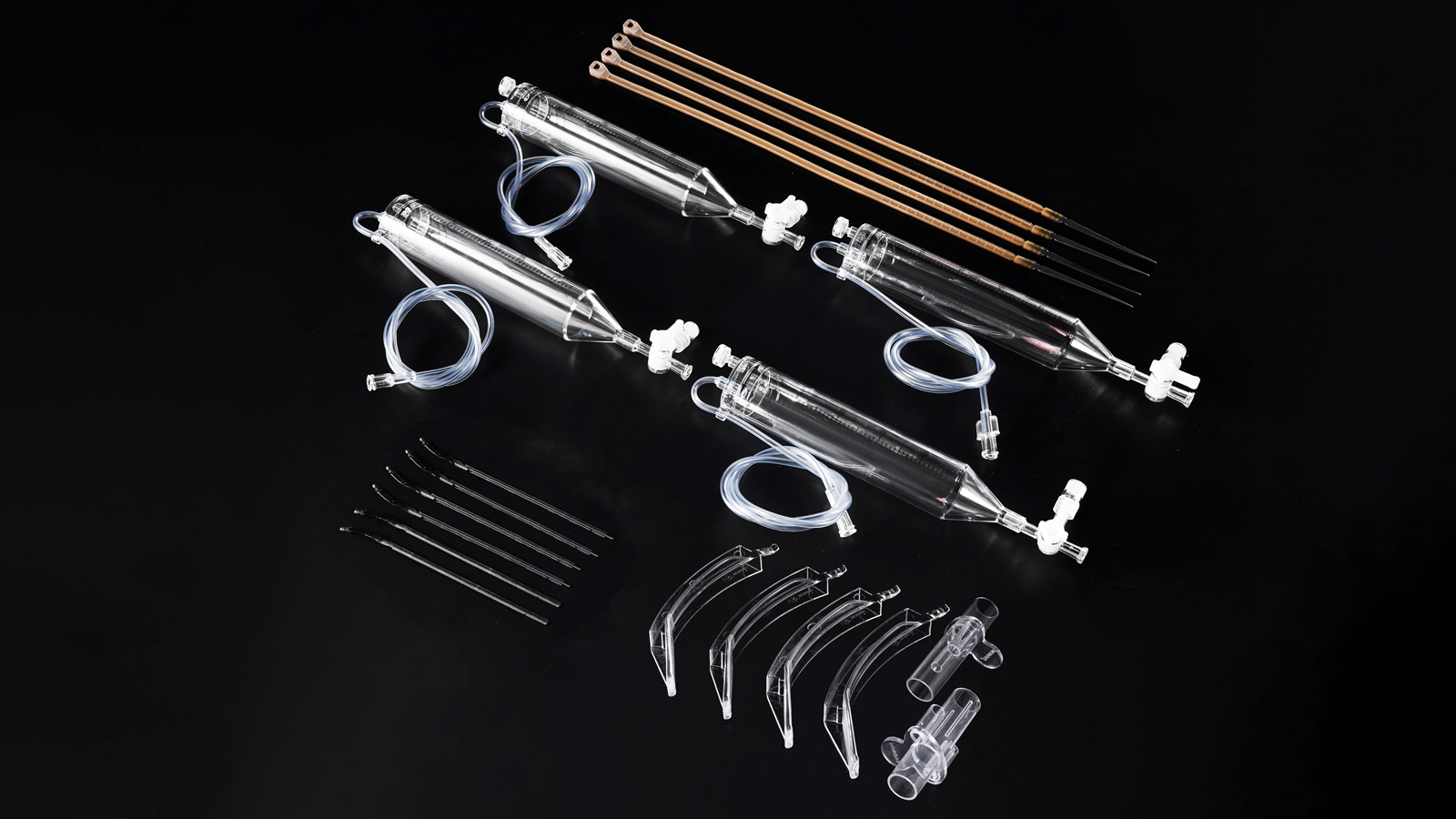
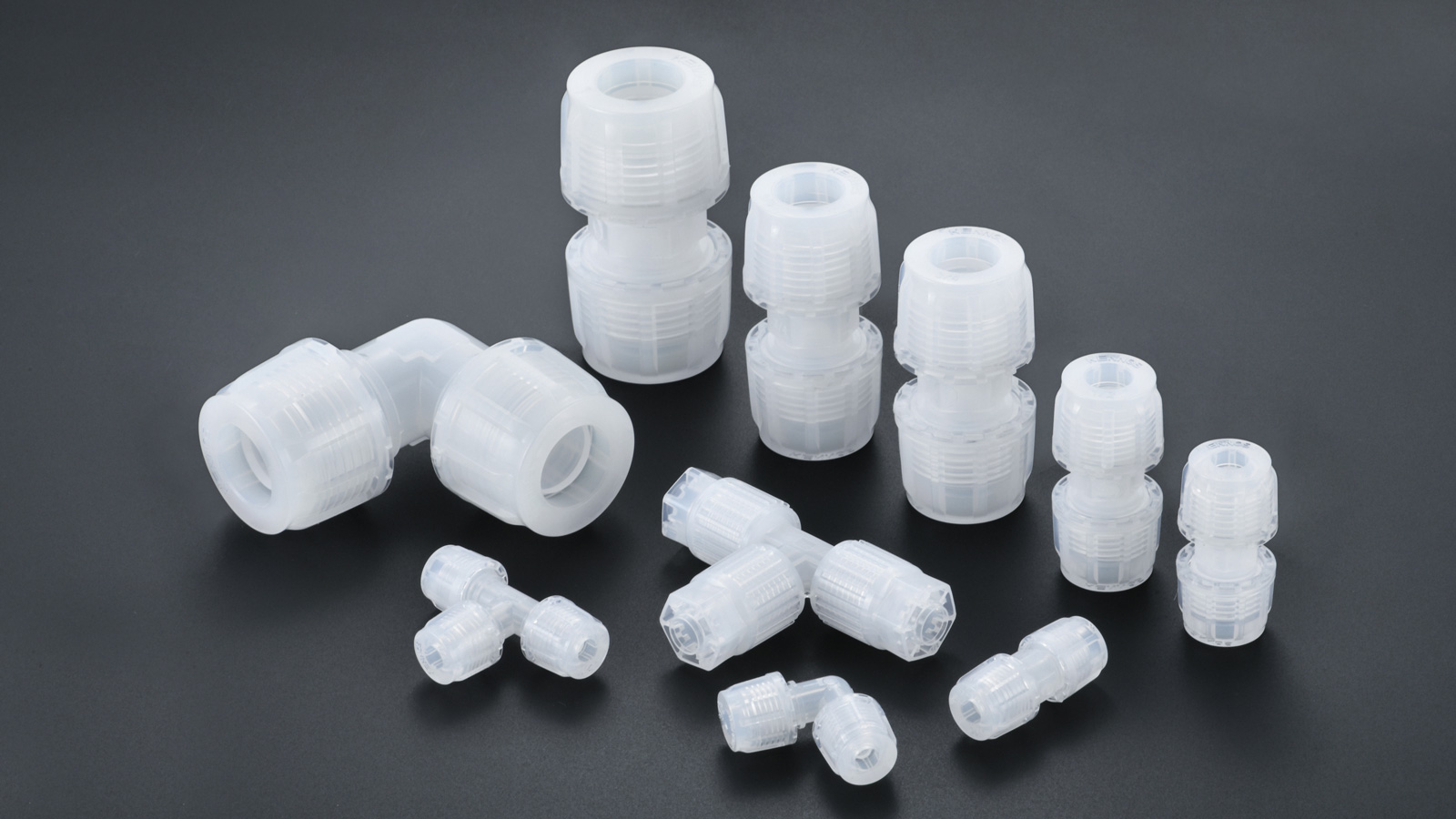
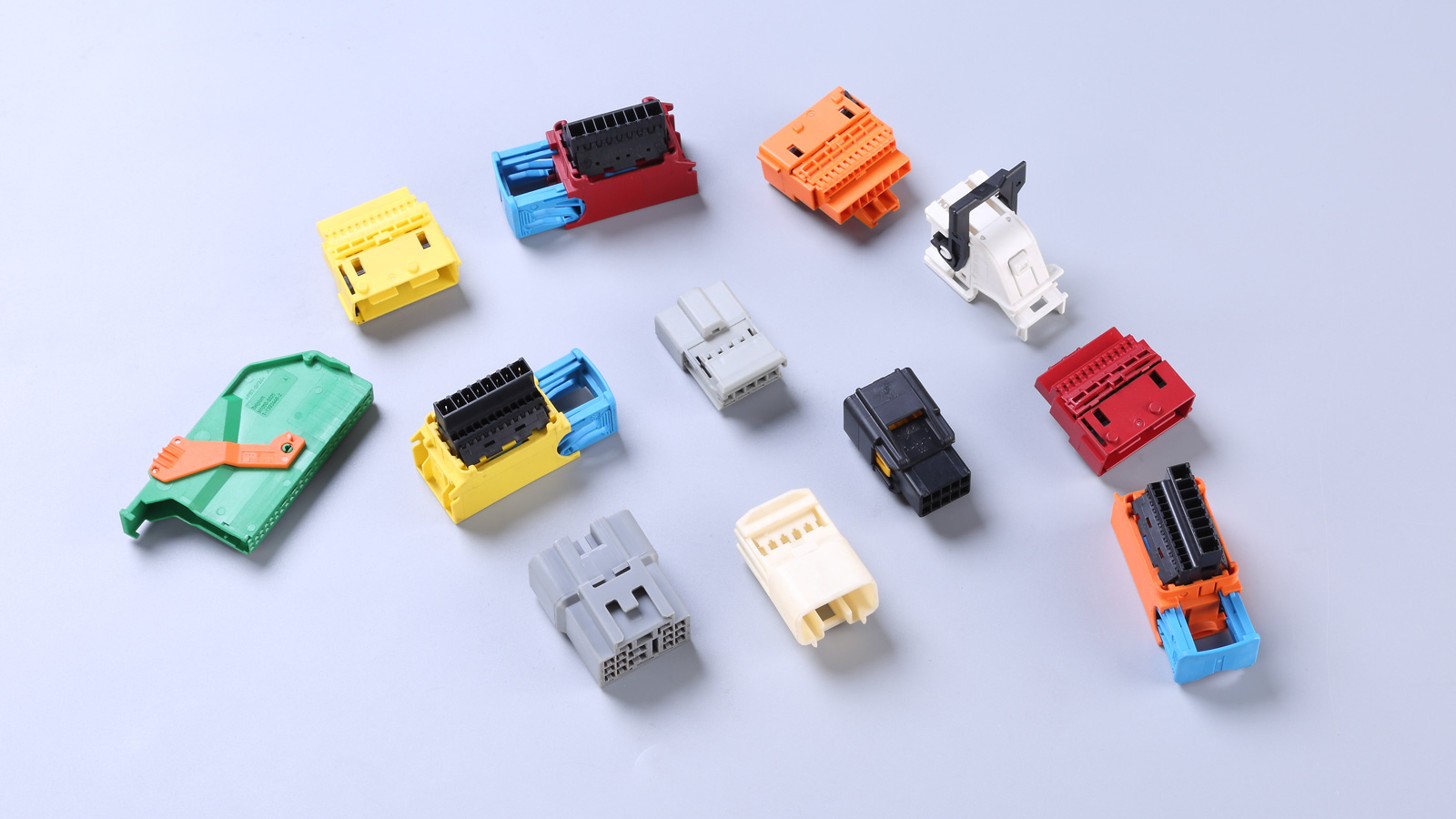
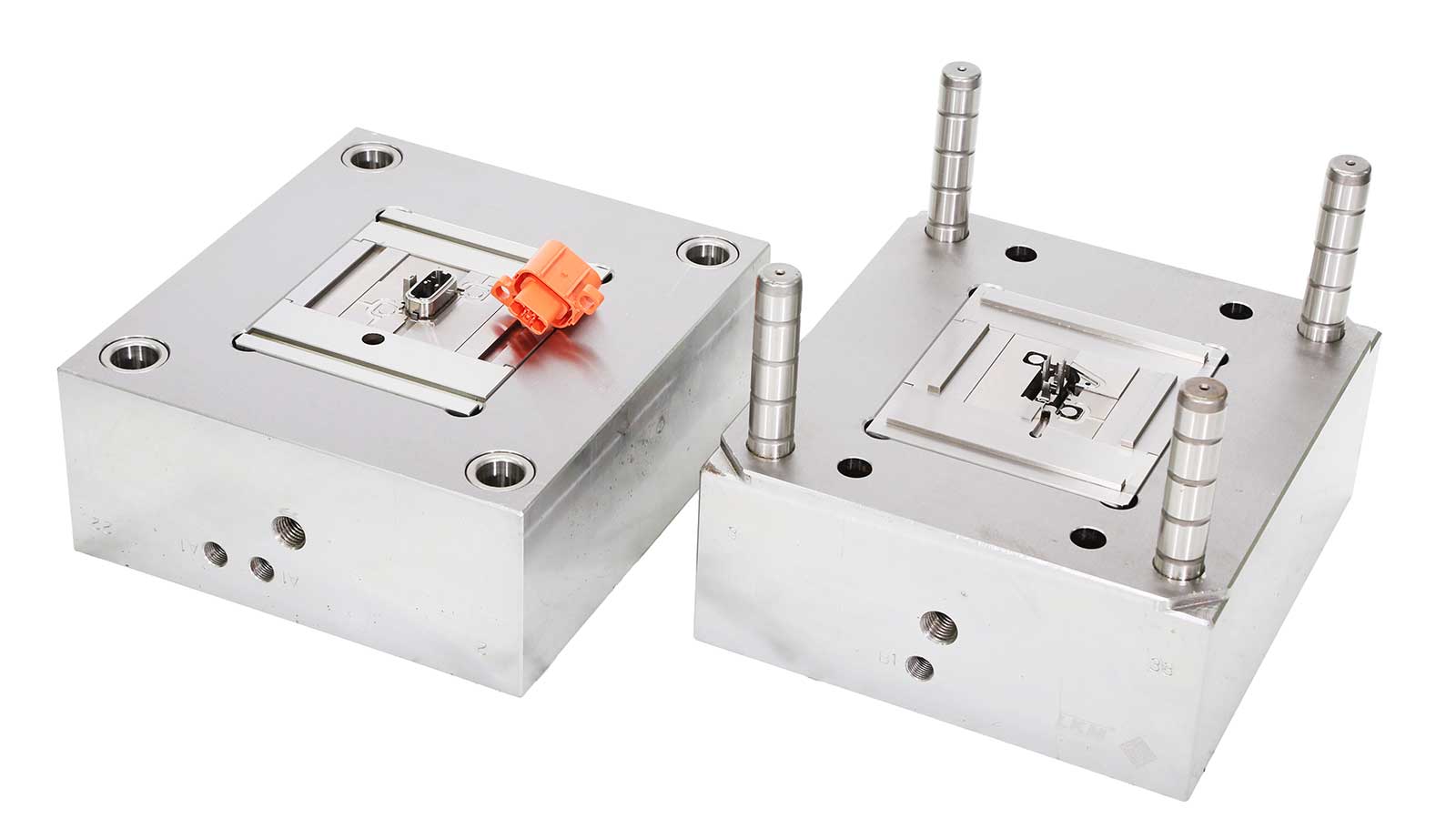




Precision molding has moved far beyond the days when plastics were chosen mainly for cost reduction. Today, molded components in medical devices, semiconductor equipment, automotive sensors, connectors, and optical assemblies routinely carry tolerances measured in hundredths of a millimeter while operating at temperatures above 150 °C and in aggressive chemical environments. Meeting those demands starts with the polymer, not with the mold.
This guide outlines the engineering plastics most often specified for precision molding, explains how each family behaves inside the tool, and sets out the criteria that separate a capable engineering plastic manufacturer from a supplier that simply owns injection molding machines.
Why Engineering Plastics Fit Precision Applications
Engineering plastics deliver a combination that metals struggle to match at comparable cost: high strength-to-weight ratio, inherent corrosion resistance, electrical insulation, low friction, and the ability to be molded into complex geometries in a single cycle. For precision work, four properties matter most.
- Dimensional stability. Low and predictable shrinkage, low moisture absorption, and a coefficient of thermal expansion that stays consistent across the service temperature range.
- Thermal headroom. A glass transition or melting point well above the process and end-use temperatures, so the part does not creep or relax over its life.
- Chemical and environmental resistance. Resistance to fuels, coolants, cleaning agents, sterilants, and plasma, depending on the application.
- Processability. A melt viscosity and crystallization behavior that allow the tool to fill thin walls and hold pressure without excessive internal stress.
No single resin excels at all four. Precision molding is therefore a discipline of trade-offs, and the material decision should be made with the molder and the tool designer in the room.
The Core Material Families
PEEK (Polyetheretherketone)
PEEK is the benchmark for high-performance precision parts. With continuous service capability around 250 °C, excellent chemical resistance, low outgassing, and good wear behavior, it is the default choice for semiconductor handling components, medical instrument housings, downhole seals and bushings, and aerospace brackets. Unfilled PEEK is dimensionally predictable but has a relatively high expansion rate; 30% carbon fiber or glass fiber grades reduce expansion and raise stiffness, at the cost of impact strength and flow.
The processing requirement that catches new suppliers is heat. PEEK needs melt temperatures in the 360–400 °C range and mold temperatures of roughly 180–200 °C to develop full crystallinity. A cold tool produces an amorphous skin, unpredictable shrinkage, and parts that relax or crack later. Post-mold annealing above the glass transition temperature is standard practice for tight-tolerance work.
PPS (Polyphenylene Sulfide)
PPS offers strong chemical resistance, very low moisture absorption, inherently good flame behavior, and excellent dimensional consistency. It is brittle in its unfilled form, so glass- and mineral-filled grades dominate. Typical applications include connectors, pump housings, sensor bodies, and components exposed to fuels and solvents.
PPS crystallizes quickly and runs comfortably at mold temperatures of 130–150 °C. Its low water uptake makes it one of the more forgiving precision materials, but its brittleness means gate location and weld-line placement deserve early attention.
PEI (Polyetherimide)
PEI is an amorphous, amber-transparent polymer with high strength and stiffness, a glass transition near 217 °C, and good electrical properties. It suits medical trays, electrical insulators, and transparent or semi-transparent housings that must survive repeated sterilization. Because it is amorphous, shrinkage is low and uniform, which supports tight tolerances and low warpage.
The trade-offs are high melt temperatures, a narrow processing window, and sensitivity to stress cracking in contact with certain solvents and cleaning agents. Stress-relief annealing is commonly required.
LCP (Liquid Crystal Polymer)
LCP is the material of choice for thin-wall, high-precision electronics: fine-pitch connectors, socket housings, camera modules, and components that pass through reflow soldering. Its very low viscosity fills walls below 0.2 mm, it flashes minimally, and it shows very low warpage in well-designed tools.
The defining characteristic is anisotropy. Shrinkage in the flow direction differs substantially from shrinkage across the flow, so gate position and fill pattern effectively design the part’s final geometry. LCP rewards simulation and a molder with experience in anisotropic materials.
High-Temperature Polyamides (PA46, PA6T, PA9T)
These semi-crystalline nylons extend the PA family into reflow-compatible territory, with melting points between roughly 295 and 310 °C. They offer good toughness, excellent flow, and fast cycles, making them attractive for automotive under-hood parts and electronic connectors. Moisture absorption is lower than conventional PA66 but still meaningful, so drying discipline and shrinkage allowance are essential.
POM and PBT for Mechanical and Electrical Precision
POM (acetal) is a workhorse for gears, bearings, sliders, and fluid-handling parts. It machines and molds exceptionally well, holds tolerances, and offers low friction and good fatigue resistance. Its weakness is resistance to strong acids and certain chlorinated media.
PBT is widely used for electrical and electronic precision parts, offering good strength, dielectric behavior, and dimensional stability when glass-filled. It is hygroscopic enough to require thorough drying, and hydrolytic stability in hot, humid service should be verified.
Sulfone Polymers (PSU, PES, PPSU)
These transparent, high-temperature amorphous resins support repeated steam sterilization and are common in medical and food-contact applications. They process at high temperatures and require careful drying and stress management, but they deliver excellent toughness and clarity retention.
How Material Choice Changes the Tool and the Process
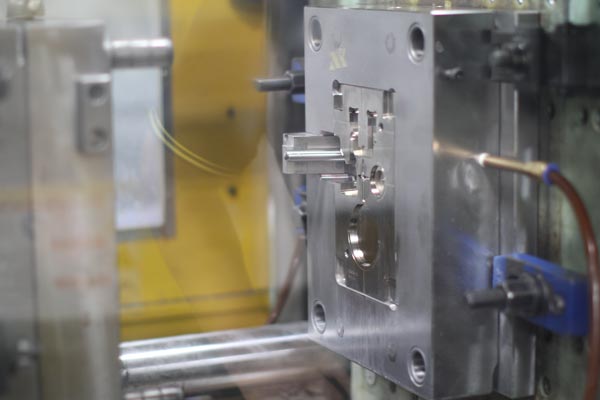
Selecting a resin is only half the decision. The same blueprint molded in PEEK, PPS, and PEI produces three different tools and three different process windows.
- Shrinkage and warpage. Semi-crystalline resins such as PEEK and PPS shrink far more than amorphous PEI or PSU, and fiber-filled grades shrink anisotropically. Crystalline materials need generous, well-cooled cavities and simulation-driven fiber orientation control.
- Drying. Polyamides, PBT, PEEK, and sulfone resins all require validated drying regimes. Moisture at the screw produces splay, hydrolytic degradation, and unpredictable mechanical performance. Inline dew-point monitoring is a reasonable expectation from a serious supplier.
- Mold temperature control. High-temperature resins demand oil heaters, cartridge heating, or variotherm systems, plus tool steel and thermal insulation that hold up to 200 °C. Temperature uniformity across the cavity directly determines crystallinity, and therefore shrinkage and dimensional repeatability.
- Gate and runner design. LCP and high-flow PPS tolerate small gates; PEEK and PEI need larger gates and gradual transitions to avoid excessive shear and internal stress. Hot runner systems must be rated for the resin’s melt range.
- Venting and tool maintenance. High-temperature materials generate more wear and require hardened or coated tooling, disciplined vent cleaning, and scheduled mold maintenance to protect tolerances over long production runs.
- Post-mold operations. Annealing for stress relief, and secondary machining or grinding for tolerances tighter than molding alone can hold reliably, are routine in precision programs.
Tolerances, Validation, and Metrology
Precision is a system, not a number. Part tolerances for injection-molded plastics are commonly specified against DIN 16742 or ISO 20457, which tie tolerance grades to material class and nominal dimension rather than applying metalworking conventions to a polymer. A capable supplier will discuss tolerance grade before quoting, not after the first article fails.
Validation typically includes first-article inspection with a fully dimensional report, capability studies on critical characteristics, and process validation using scientific molding techniques such as cavity pressure monitoring. For regulated industries, PPAP documentation, IQ/OQ/PQ protocols, and a Cpk target of at least 1.33 on critical dimensions, or 1.67 for medical work, are standard expectations. Metrology may involve CMM, optical and vision systems, and increasingly CT scanning for internal geometry and fiber orientation verification.
Total Cost Is Not Resin Price
A precision program’s real cost is the sum of resin price, scrap rate, cycle time, tool life, secondary operations, and yield stability over production volume. A lower-cost resin that forces a tighter process window, higher scrap, or added machining often costs more per good part than a higher-grade material that runs comfortably. This is where the technical depth of an engineering plastic manufacturer becomes a commercial advantage: material selection, tool design, and process control are optimized together rather than negotiated separately.
How to Evaluate an Engineering Plastic Manufacturer
Ask questions that reveal capability rather than catalog breadth.
- Does the supplier maintain documented material traceability, with lot-level certificates and controlled regrind policy?
- Can they run and validate high-temperature resins in-house, including tooling rated for 200 °C mold temperatures?
- Do they provide mold flow analysis and DFM feedback before tool construction?
- Is there a defined scientific molding protocol with process windows documented and locked?
- Are annealing, machining, and assembly available under one quality system, or subcontracted without oversight?
- Are certifications such as ISO 9001, ISO 13485, or IATF 16949 held and audited, with PPAP capability demonstrated?
Conclusion
Engineering plastics make precision molding possible, but only when material selection, tool design, and process control are treated as one engineering problem. PEEK, PPS, PEI, LCP, high-temperature polyamides, and the sulfone family each solve a specific set of constraints, and each imposes its own rules on the mold. Choosing an engineering plastic manufacturer with genuine material knowledge, in-house validation, and disciplined metrology is the difference between a specification that looks achievable on paper and a production line that holds tolerance run after run.
Frequently Asked Questions
Which engineering plastic offers the best dimensional stability for precision parts? Amorphous resins such as PEI and PSU show low, uniform shrinkage and are strong candidates when flatness and tight tolerances dominate. Glass- or carbon-filled PPS and PEEK offer excellent stability at higher temperatures. The right answer depends on service temperature, chemical exposure, and wall thickness, which is why a material trial on the actual tool is usually worthwhile.
Can molded engineering plastics hold tolerances of ±0.02 mm? Yes, in the right material and geometry, and often more reliably when molding is combined with secondary machining or grinding on critical features. Tolerance feasibility should be assessed per dimension against DIN 16742 or ISO 20457, accounting for material shrinkage, fiber orientation, and gate location.
Why does PEEK require such a hot mold? PEEK is semi-crystalline. A mold around 180–200 °C allows the polymer to crystallize fully during cooling, which produces consistent shrinkage, better chemical resistance, and higher strength. Parts molded in a cold tool develop an amorphous skin and tend to warp, relax, or crack during service or sterilization.
Is PPS a lower-cost alternative to PEEK? For many applications, yes. PPS costs significantly less and handles continuous temperatures around 200 °C with excellent chemical and moisture resistance. It is, however, more brittle and less suited to high-impact or high-purity medical applications, where PEEK remains the preferred material.
How can warpage be controlled in glass-filled precision parts? Through balanced fill, symmetrical wall design, uniform cooling, adequate packing before the gate freezes, and gate placement that aligns fiber orientation with the part’s load and tolerance direction. Mold flow simulation with fiber orientation analysis is the practical starting point.
Should the material supplier or the molder be selected first? In precision work, they should be selected together. A molder with validated experience in the target resin family will flag processing risks and tooling requirements early, while a material supplier who understands molding can recommend grades that fit the intended process window. Evaluating an engineering plastic manufacturer that combines both capabilities shortens the path from design to stable production.