


Introduction
Polyphenylene sulfide (PPS) is a high-performance engineering thermoplastic that has become indispensable in industries demanding extreme heat resistance, chemical inertness, and long-term dimensional stability. As engineers continue to push component performance boundaries, PPS injection molding has emerged as a preferred manufacturing route for complex, tight-tolerance parts operating under harsh conditions. This article explores the material characteristics, processing parameters, and key application areas that make PPS a strategic choice for modern product development.
What Makes PPS Unique for Injection Molding
PPS stands out among engineering plastics due to its balanced property profile. It exhibits excellent resistance to acids, bases, fuels, and organic solvents across a wide temperature range. Its continuous use temperature typically reaches 200 to 240 degrees Celsius, with intermittent exposure tolerating even higher peaks.
A defining attribute is its inherent flame retardancy. Most unfilled and glass-filled PPS grades achieve a UL94 V-0 rating without requiring added halogenated flame retardants, making it a preferred material for safety-critical electrical components.
PPS also offers outstanding electrical insulation properties with stable dielectric constants even under humid or high-temperature environments. When reinforced with glass fiber, carbon fiber, or mineral fillers, its tensile strength and flexural modulus increase substantially, enabling structural part designs that rival metals in certain applications.
Key Processing Considerations for PPS Injection Molding
Successful PPS injection molding requires attention to specific processing conditions. The material has a relatively high melting point, typically around 280 to 300 degrees Celsius, and requires barrel temperatures in the range of 300 to 330 degrees Celsius. Mold temperatures are commonly set between 130 and 160 degrees Celsius to ensure proper crystallization and surface finish.
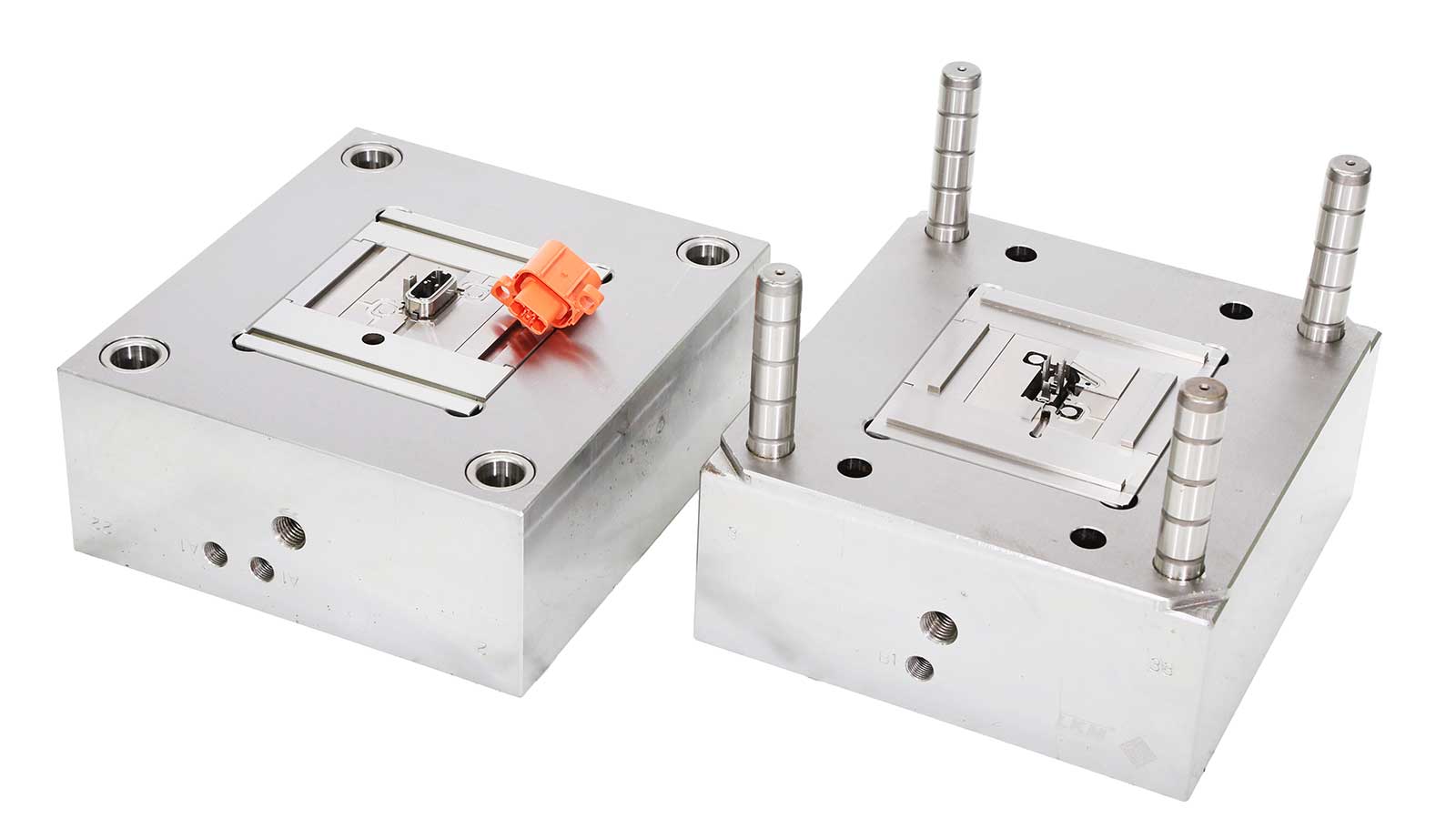
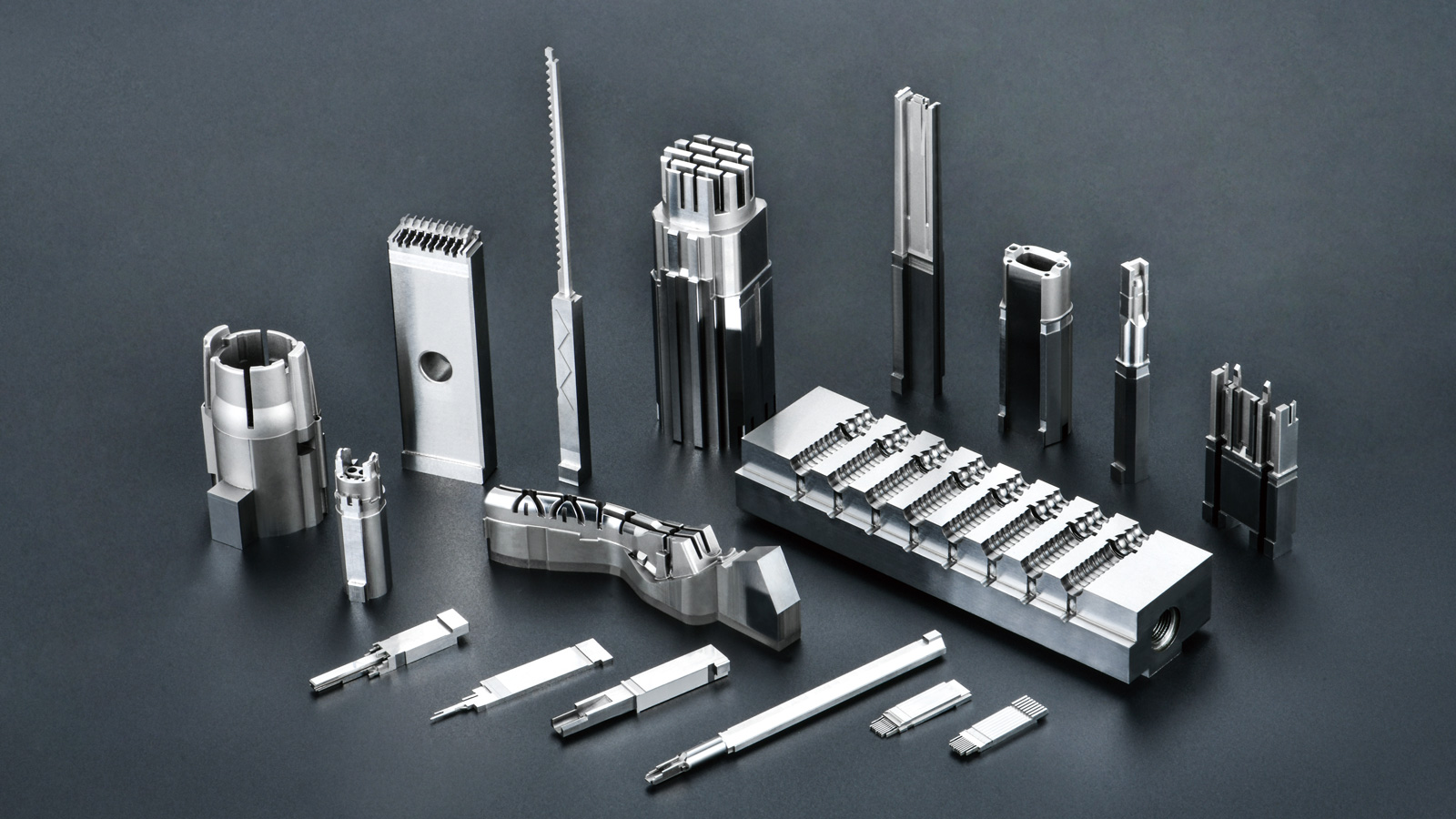
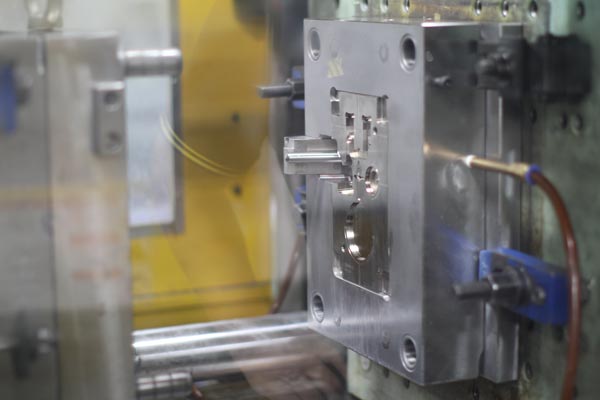
Because PPS tends to be semi-crystalline and has low melt viscosity in its filled grades, it flows well into intricate mold geometries, making it suitable for thin-wall parts and complex features. However, its abrasive nature means mold tooling should be hardened or treated with wear-resistant coatings to maintain long-term dimensional accuracy, particularly when running glass-reinforced compounds at production volumes.
Pre-drying the material before processing is essential to prevent splay and surface defects. Typical drying conditions involve four to six hours at 120 to 150 degrees Celsius. Mold flow analysis is recommended, especially for complex parts, to optimize gate placement, runner design, and cooling channels before committing to production tooling.
Automotive and Transportation Applications
The automotive sector represents one of the largest markets for PPS injection molded components. Under-hood environments subject parts to sustained heat, engine oils, coolants, and road chemicals, conditions that PPS handles exceptionally well.
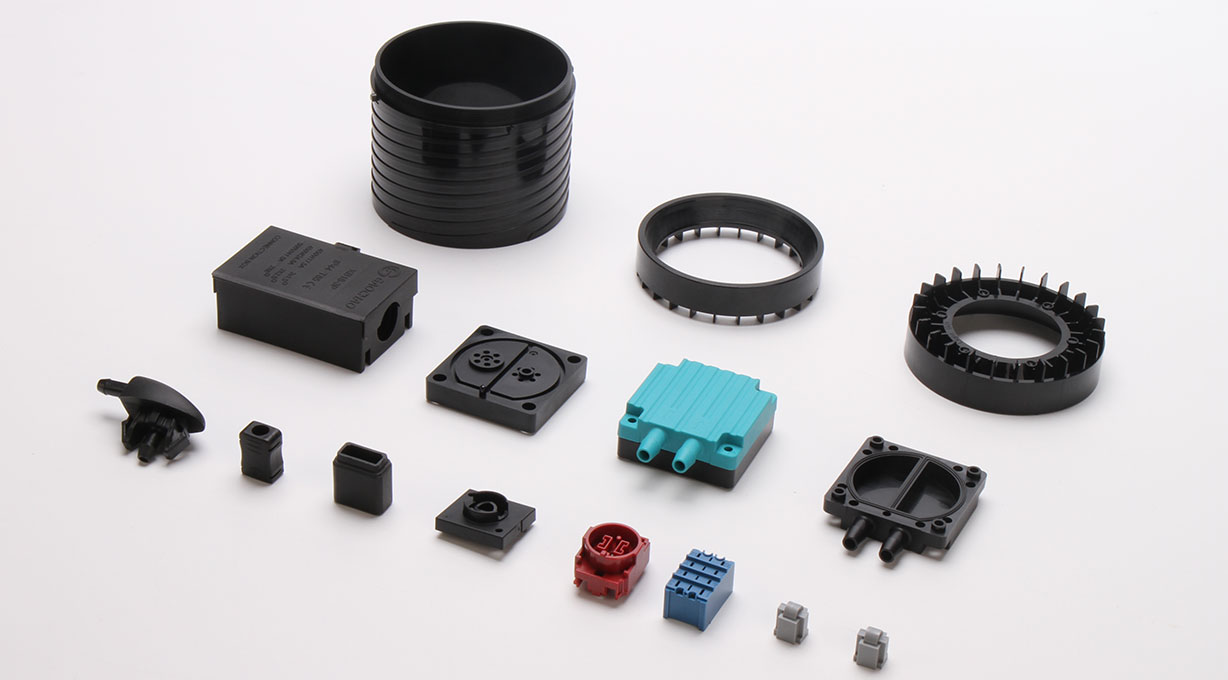
Common automotive applications include thermostat housings, water pump impellers, valve covers, sensor housings, and throttle body components. PPS also appears in transmission parts, fuel system components, and ignition system elements where electrical insulation and thermal resistance are critical. The shift toward electric vehicles has further expanded PPS usage in battery system components, motor insulators, and power electronics housings that must withstand both elevated temperatures and coolant exposure.
Electrical and Electronics Applications
In the electrical and electronics industry, PPS injection molding is widely used for components requiring reliable performance at high temperatures and stringent flame safety standards.
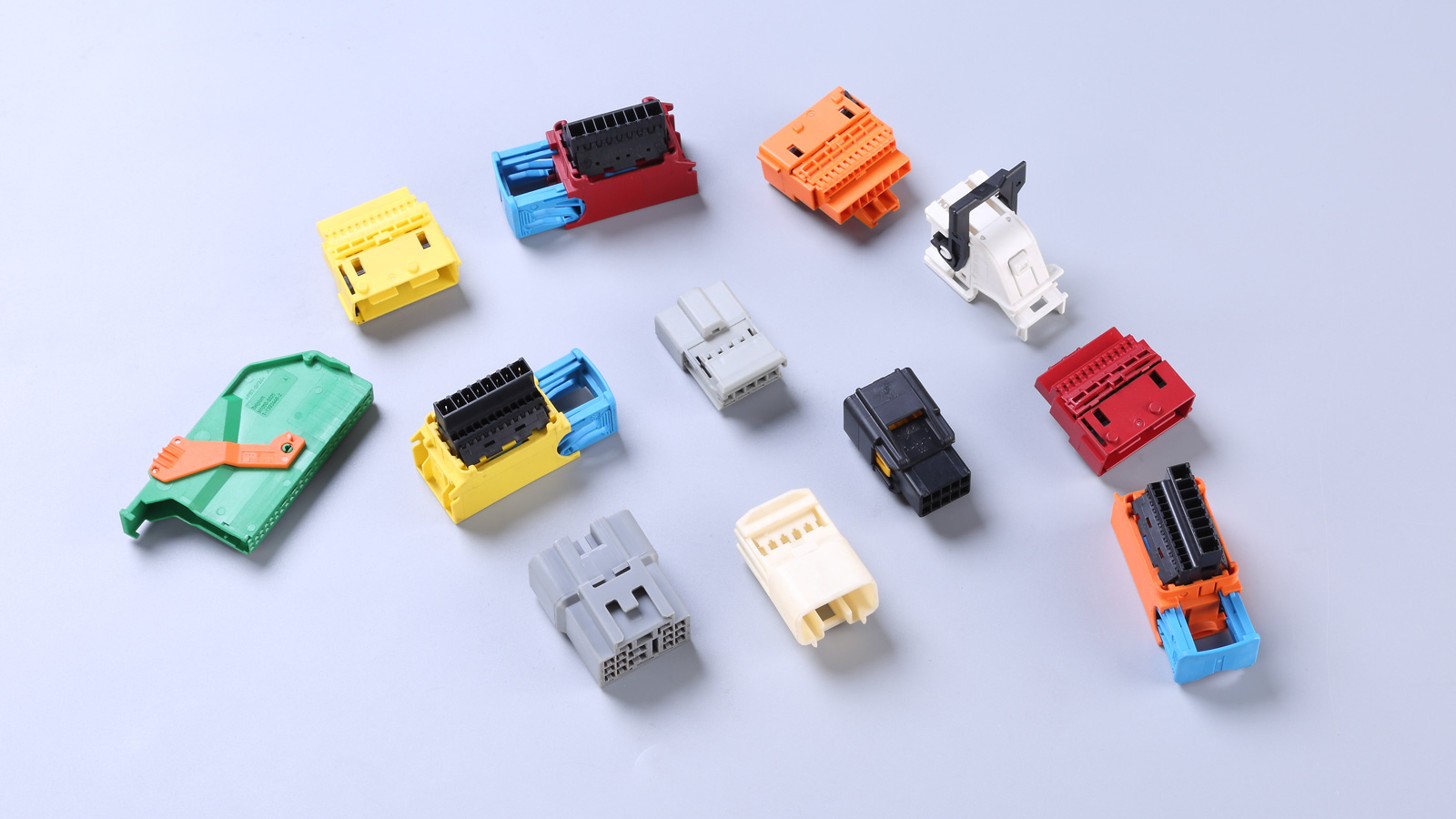
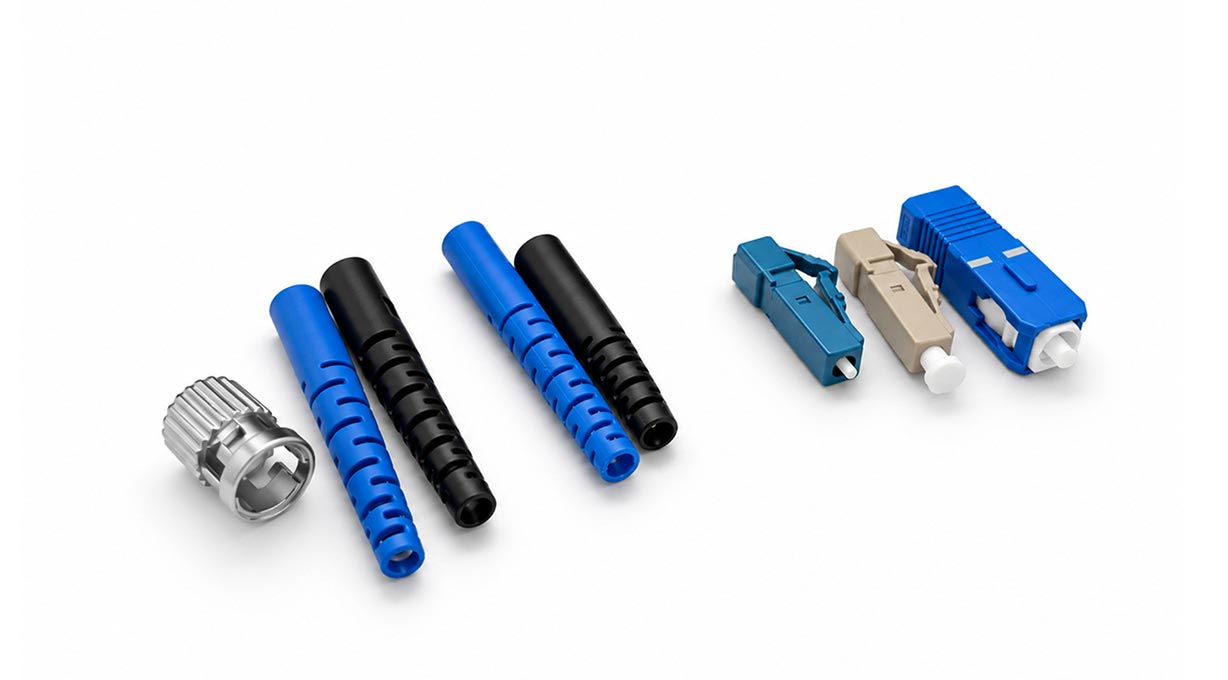
Typical products include connector bodies, coil bobbins, switch housings, relay components, and terminal blocks. PPS performs well in surface-mount technology (SMT) processes because it withstands the brief but intense heat of reflow soldering without deformation or blistering. This capability makes it a material of choice for miniaturized electronic connectors and chip carriers used in consumer electronics, industrial controls, and telecommunications equipment.
Its dimensional stability under humidity cycling also ensures that precision contacts and mating surfaces maintain consistent alignment over the product lifecycle.
Industrial and Fluid Handling Applications
Industrial equipment manufacturers rely on PPS for components exposed to aggressive chemicals and wear conditions. Pump housings, valve bodies, impellers, seals, and metering device parts frequently use glass-filled PPS because it resists corrosion from a broad spectrum of process fluids while maintaining mechanical integrity.
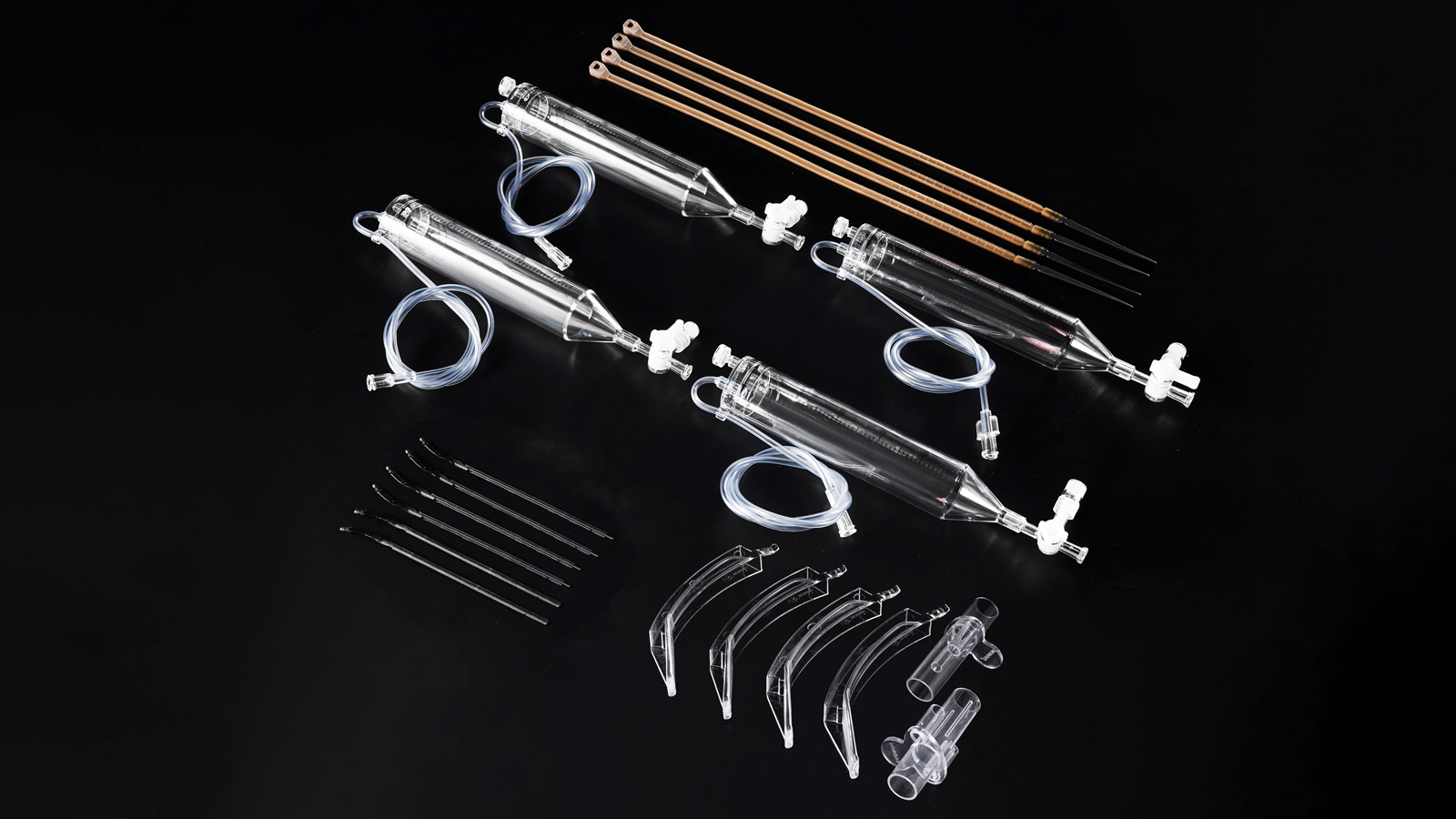
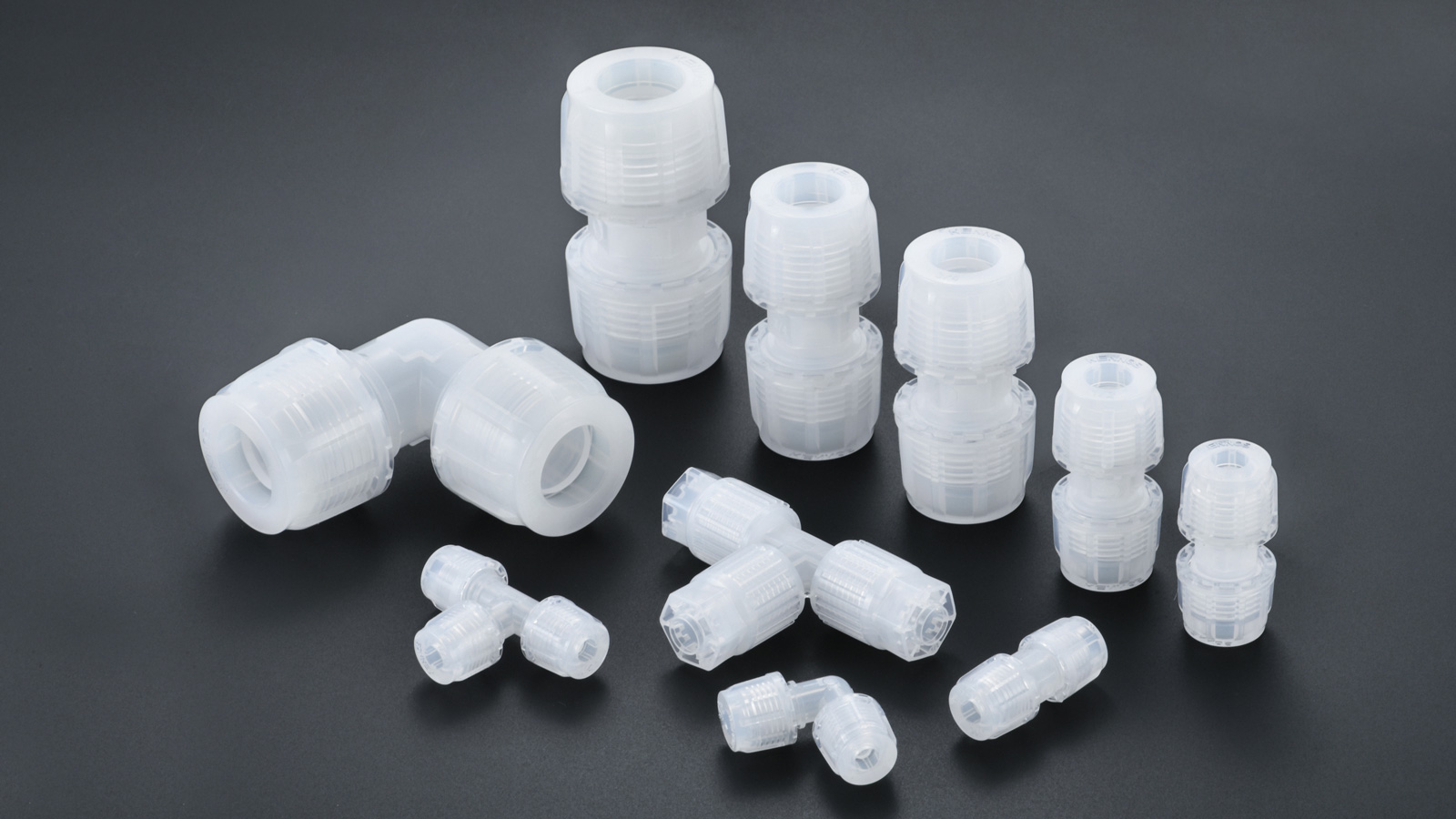
In analytical and medical instrumentation, PPS is used for fluidic manifolds, sensor bodies, and small structural components where chemical resistance, sterilization compatibility, and tight tolerances are simultaneously required. Its low moisture absorption ensures that dimensions remain stable even in humid operating environments.
Aerospace and Defense Applications
The aerospace industry values PPS for interior and external components that must meet flammability and smoke toxicity requirements while saving weight compared to traditional metal parts. Brackets, duct components, sensor enclosures, and wire harness supports benefit from PPS’s combination of thermal stability, flame resistance, and low smoke emission. Although not a primary structural airframe material, PPS injection molded parts play supporting roles where reliability under temperature cycling and vibration is essential.
Why Choose PPS Over Other High-Performance Polymers
When comparing PPS to alternatives such as PEI, PEEK, or liquid crystal polymer (LCP), the decision typically comes down to a balance of performance, processability, and cost. PPS offers comparable chemical resistance and thermal performance to many high-end polymers at a more accessible material cost point. It processes on standard injection molding equipment without requiring the extreme temperatures needed for PEEK, reducing equipment wear and energy consumption.
For applications requiring maximum mechanical strength at the highest temperatures, PEEK may be preferred. For extremely thin-wall electronic parts requiring ultra-low warpage, LCP may be the better fit. However, for a broad range of under-hood, electrical, and industrial components, PPS delivers a compelling combination of properties that justify its widespread adoption.
Partnering with an Experienced PPS Injection Molding Provider
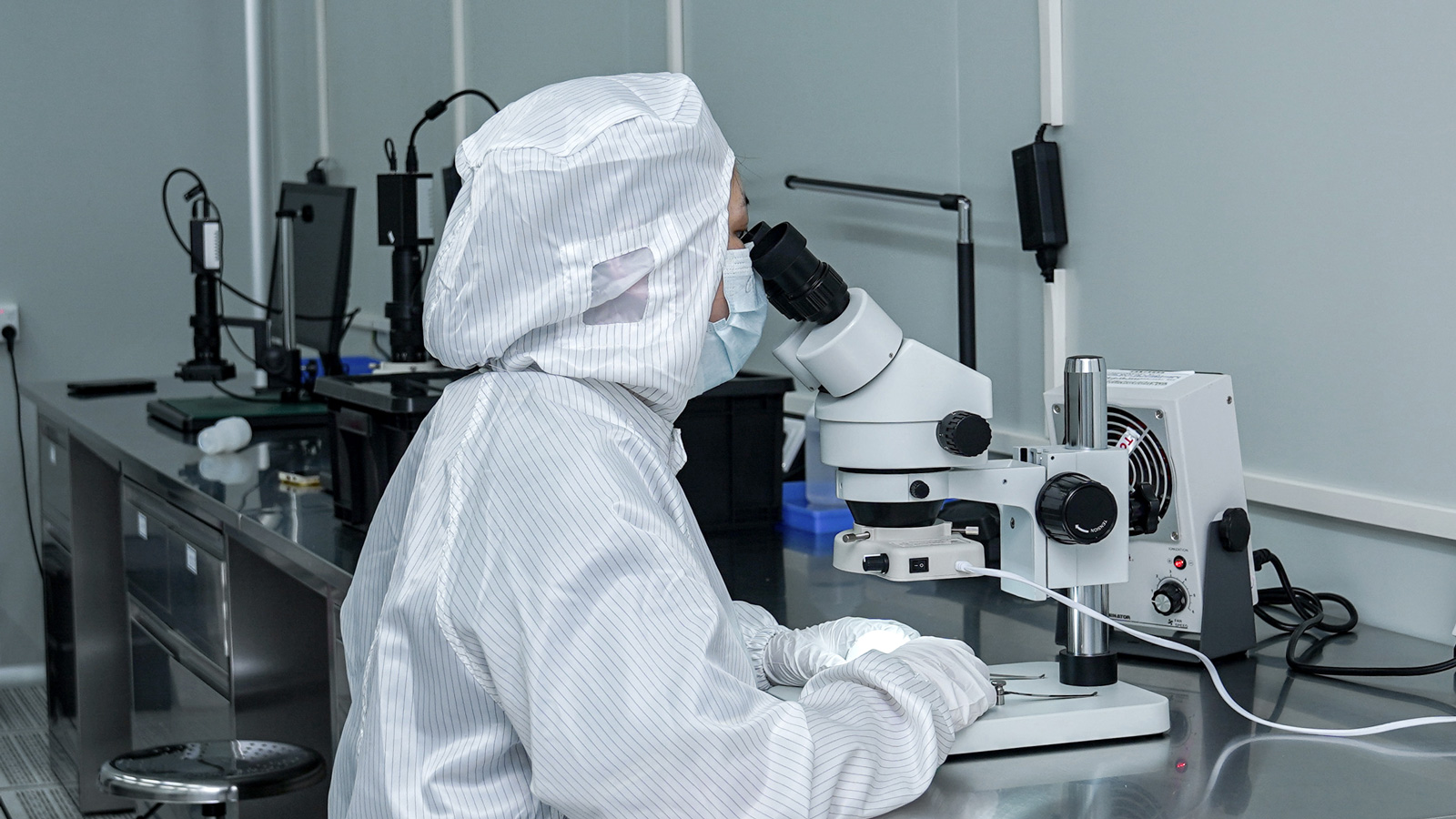
Achieving consistent results with PPS injection molding depends on more than material selection. Tool design, gate geometry, venting, and process control all influence part quality, especially when working with glass-filled grades that can exhibit anisotropic shrinkage. Working with a manufacturer experienced in high-temperature engineering plastics helps identify potential pitfalls early, optimize tooling for manufacturability, and establish robust process windows that support long production runs.
Frequently Asked Questions
What materials can PPS injection molding replace?
PPS frequently replaces metals such as aluminum, brass, and stainless steel in components where weight reduction, corrosion resistance, and design freedom are priorities. It can also replace other engineering thermoplastics like nylon, PBT, or polyester in applications where higher temperature or chemical resistance is required.
Is PPS suitable for food contact or medical applications?
Certain PPS grades are available with appropriate regulatory certifications for food contact and specific medical applications. However, standard industrial-grade PPS should not be assumed suitable for these uses. Material selection should always be verified against the relevant regulatory requirements and intended sterilization method.
Can PPS parts be post-processed or assembled?
Yes. PPS components can be machined, ultrasonically welded, and adhesive bonded. However, because of its high chemical resistance, adhesive selection should be validated for the specific grade and joint design. Ultrasonic welding is commonly used for assemblies such as sensor housings and fluidic components.
What is the typical tooling investment for PPS injection molding?
Tooling costs vary depending on part complexity, annual volume, and number of cavities. Because PPS is abrasive, hardened tool steels such as H13 or stainless steels are recommended to extend tool life. An experienced injection molding partner can provide a detailed tooling estimate after reviewing part drawings and production volume requirements.