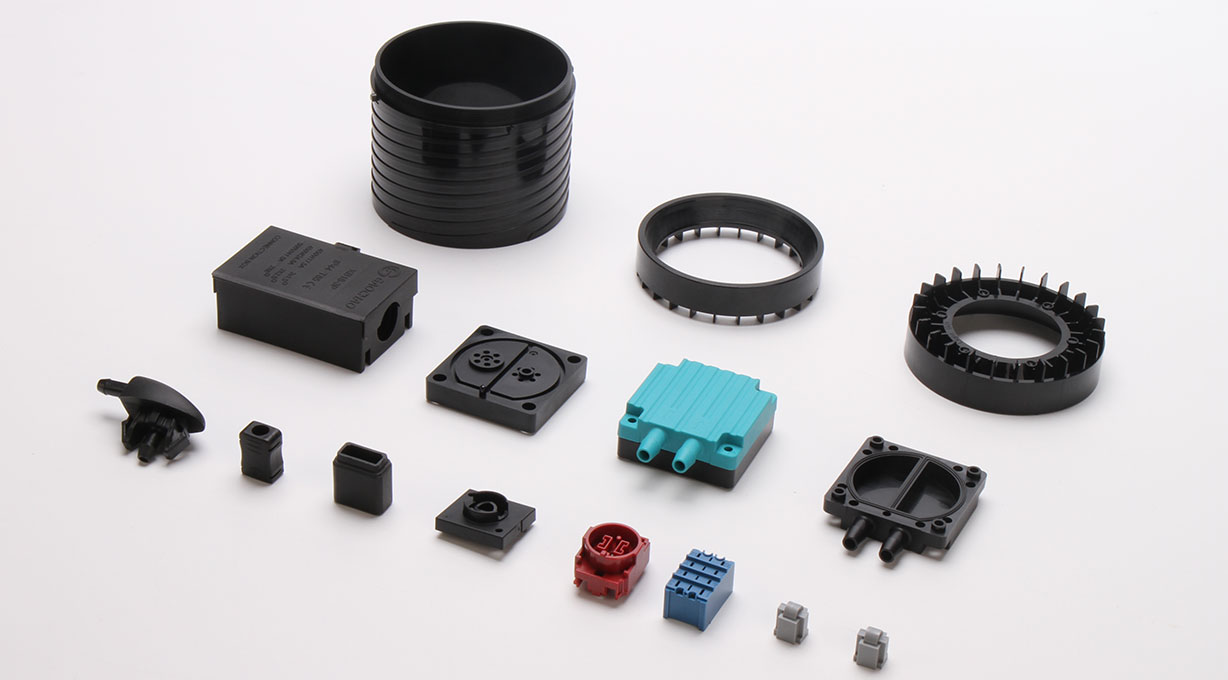




High temperature plastic molding is the branch of injection molding that deals with engineering resins processed far above the range of commodity plastics. Where polypropylene or ABS runs at melt temperatures near 230 °C, high temperature plastic injection molding typically operates above 300 °C, often between 350 °C and 400 °C, with tool temperatures that would damage a conventional mold. The reward is a part that keeps its mechanical strength, dimensional stability and electrical performance in environments where standard resins soften, creep or fail.
This guide covers what the process involves, which materials are used, where it becomes difficult, and how to design and specify parts that can be manufactured reliably at volume.
What High Temperature Plastic Molding Actually Means
The term is defined by the thermal envelope, not by a single resin family. In practice, a molder classifies a job as high temperature when three conditions appear together:
- Melt temperatures above roughly 300 °C, requiring hot runner systems, barrels and nozzles rated for sustained high heat.
- Mold temperatures above 120 °C, and up to 200 °C for semi-crystalline resins such as PEEK, so the tool needs separate oil heating and insulation.
- Materials with a continuous use temperature above 150 °C, which is where the engineering justification for the higher cost begins.
Once these conditions apply, the process stops being a variation of standard molding and becomes a separate discipline with its own equipment, drying practice and quality controls.
The Materials Used in High Temperature Plastic Injection Molding
Material selection drives every downstream decision. The most common families are:
PEEK (polyetheretherketone). Melt window of roughly 360–400 °C and mold temperatures of 160–200 °C. Continuous service up to 250 °C, excellent chemical resistance, and the benchmark material for medical implants, semiconductor components and aerospace parts.
PEKK and other PAEK variants. Similar thermal performance with different crystallization kinetics, often chosen where faster cycles or specific wear behavior are required.
PEI (polyetherimide). Melt window near 350–390 °C with mold temperatures of 90–160 °C. Transparent, inherently flame retardant and dimensionally stable, widely used in electrical and aircraft interiors.
PPS (polyphenylene sulfide). Melt temperatures of 300–340 °C and highly crystalline. Chemically resistant and lower cost than PEEK, common in automotive under-hood and fluid-handling parts.
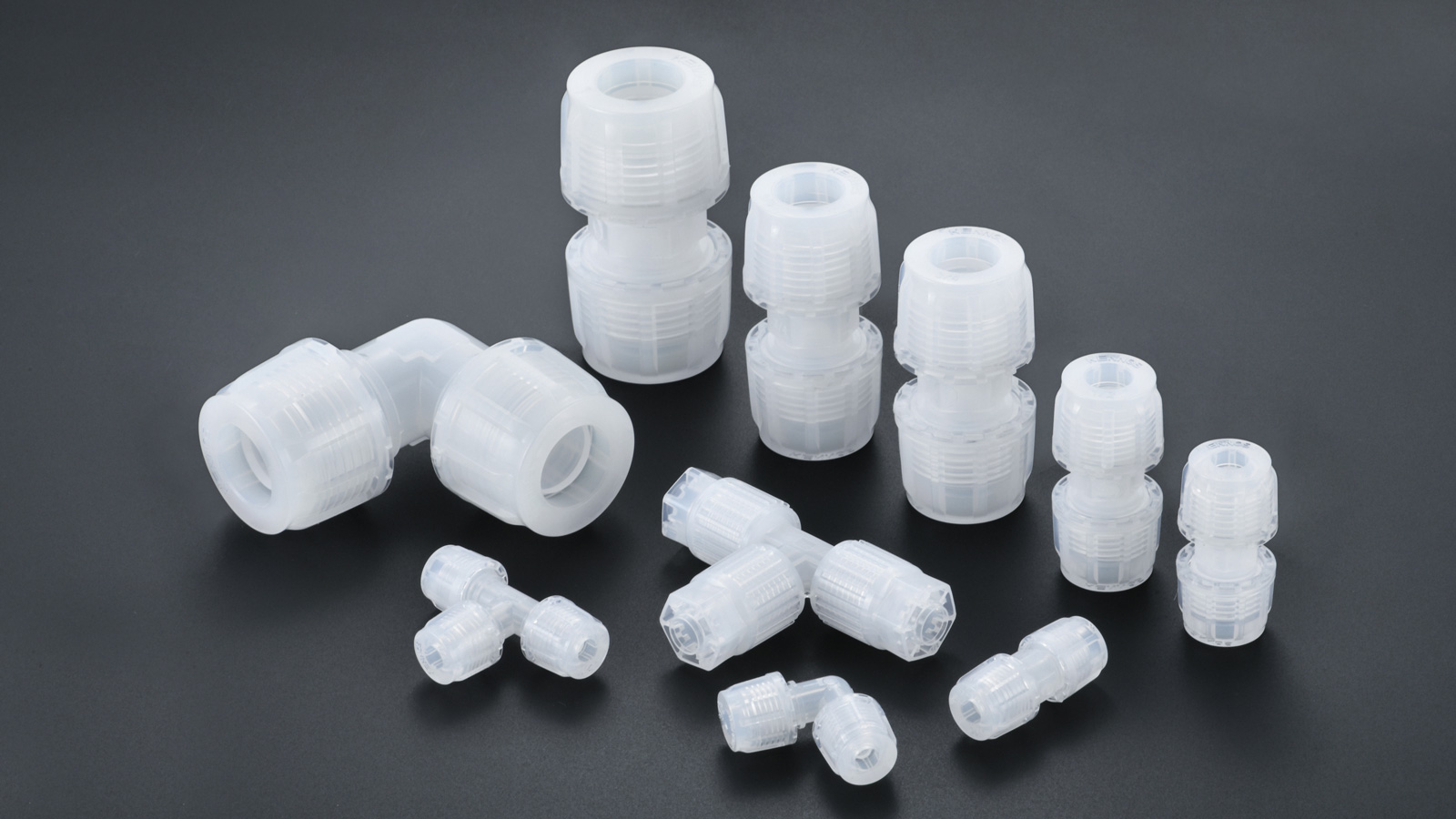
PES and PSU (polysulfone family). Amorphous resins with good hydrolytic stability, used in medical sterilization trays and plumbing components.
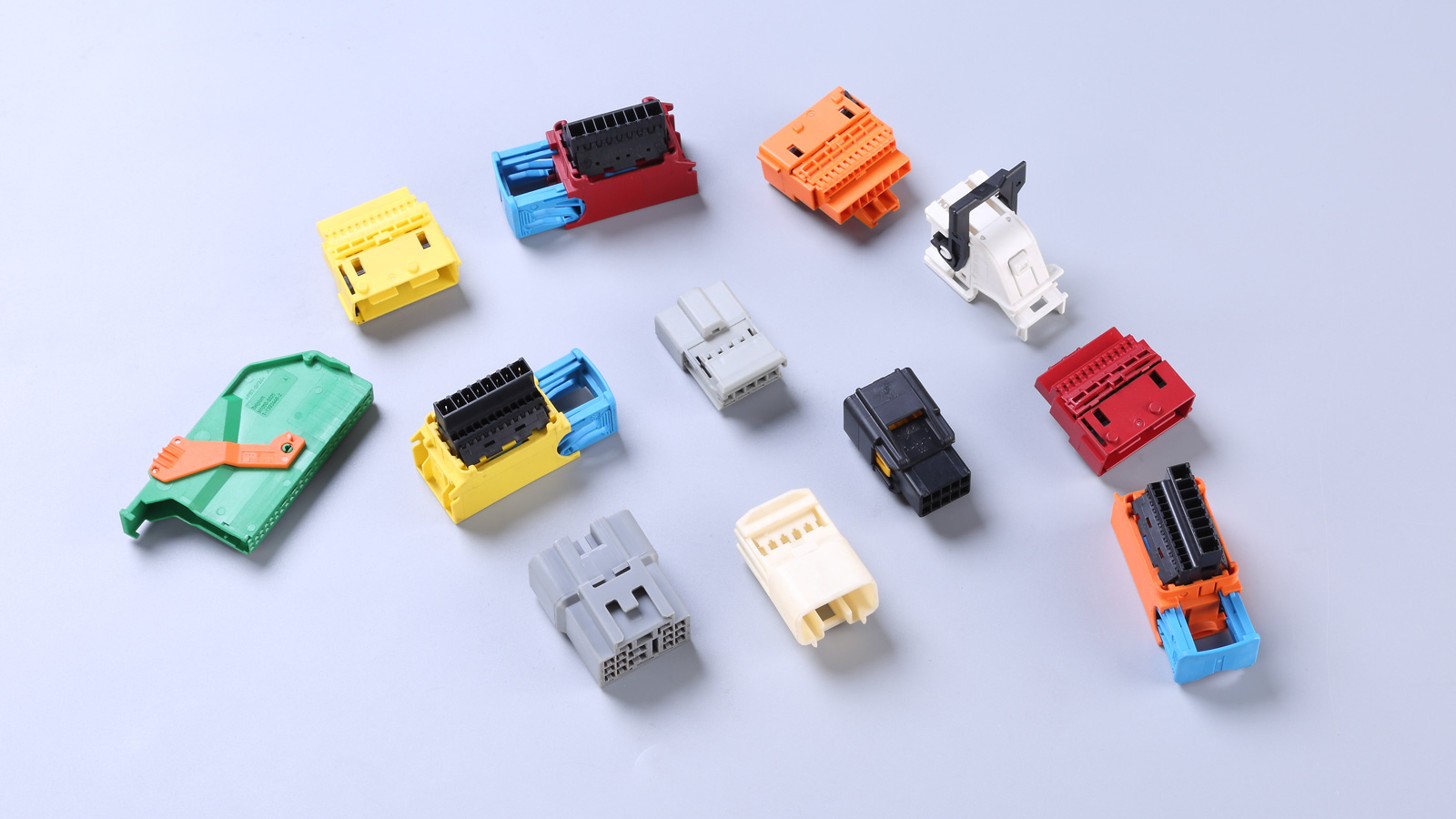
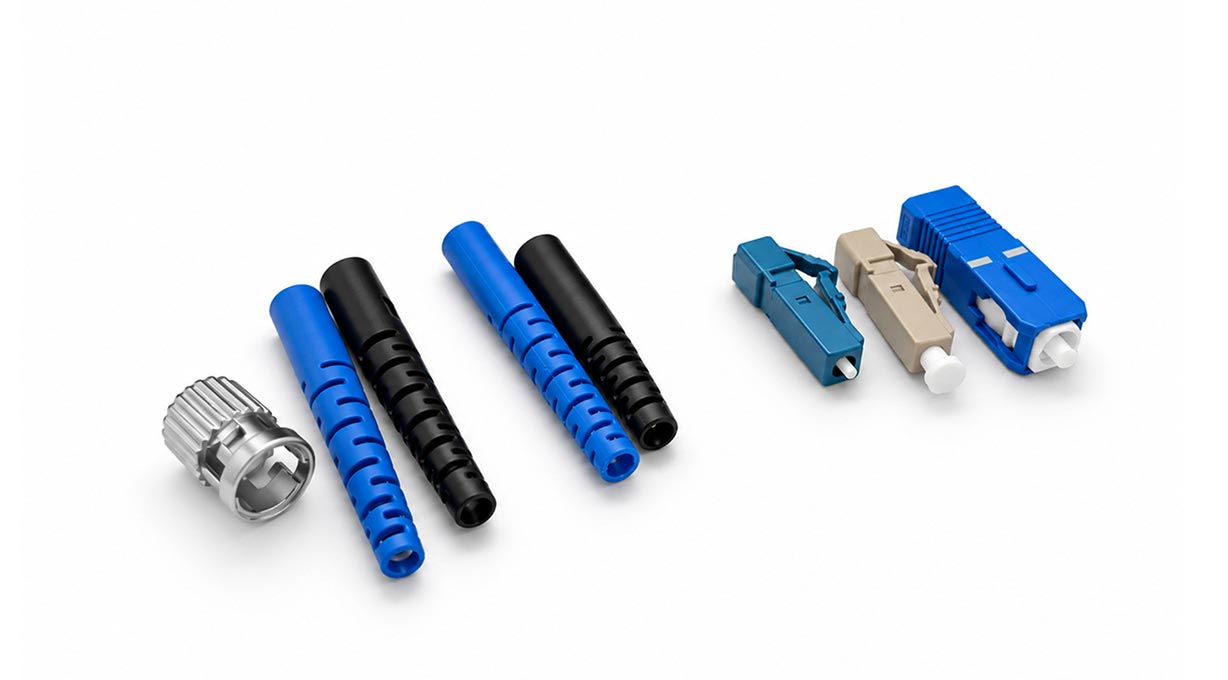
PAI and LCP. PAI for extreme wear and high-load bearing applications; LCP for thin-wall precision parts such as electrical connectors.
Glass fiber, carbon fiber and PTFE fillers are frequently added. They raise stiffness and reduce shrinkage, but they also raise melt viscosity and abrasiveness, which changes tool design and cycle economics.
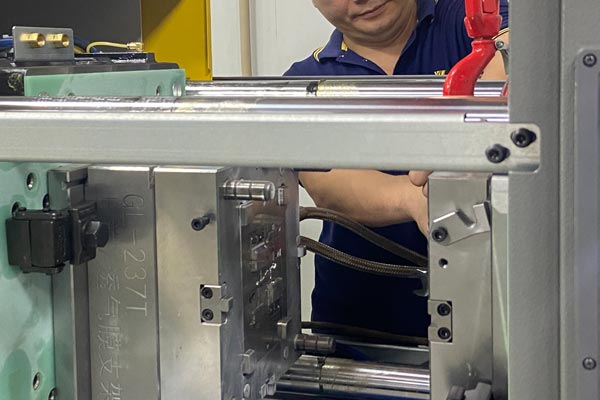
Where the Process Becomes Difficult
High temperature plastic injection molding fails in predictable places. Understanding them is the difference between a qualified process and a scrap pile.
Thermal degradation
These resins live close to their degradation limits. Residence time at temperature must be short, shot size should match at least 40–60 percent of barrel capacity, and the nozzle and hot runner must be purged cleanly during shutdown. Overheated material shows up as discoloration, reduced molecular weight and brittle parts that pass visual inspection but fail mechanical testing.
Moisture and hydrolysis
PEEK, PEI and PPS absorb moisture that hydrolyzes the melt. Drying is not optional: typically 150 °C for three to four hours for PEEK and PEI, with desiccant dryers and verified dew point. A neglected dryer produces splay, voids and a measurable drop in tensile strength.
Mold temperature and crystallinity
For semi-crystalline resins, mold temperature determines crystallinity, and crystallinity determines modulus, chemical resistance and dimensional stability. A PEEK part molded in a cold tool looks acceptable and behaves like a different material. Heated tools, thermal insulation plates and controlled cooling circuits are process requirements, not productivity options.
Shrinkage and warpage
Shrinkage ranges from about 0.5 to 2.0 percent depending on grade and fiber loading, and flow direction matters. Parts should be gated for fiber orientation, wall sections kept uniform, and annealing considered where residual stress would cause cracking in service.
Tool wear and hot runner design
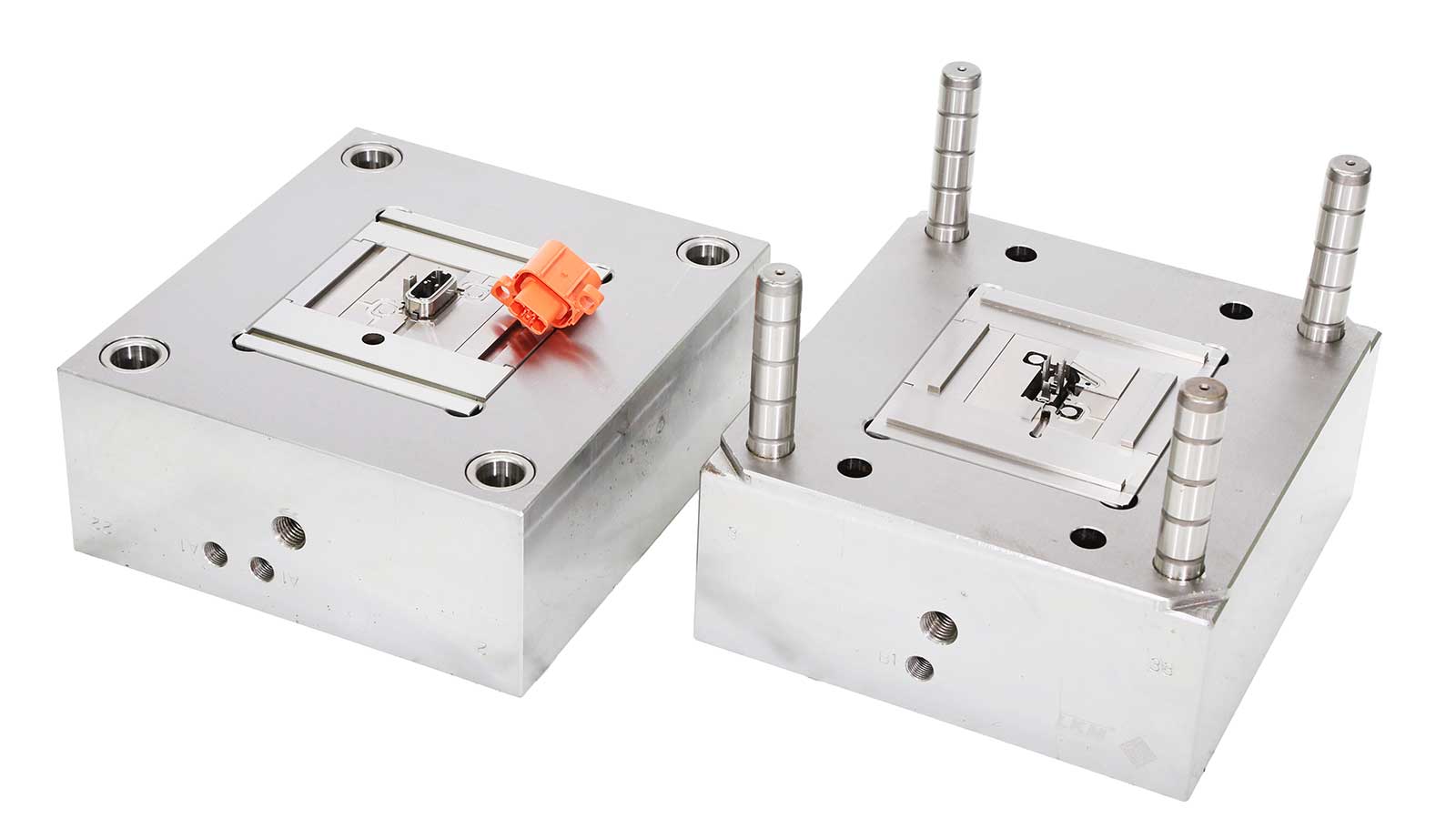
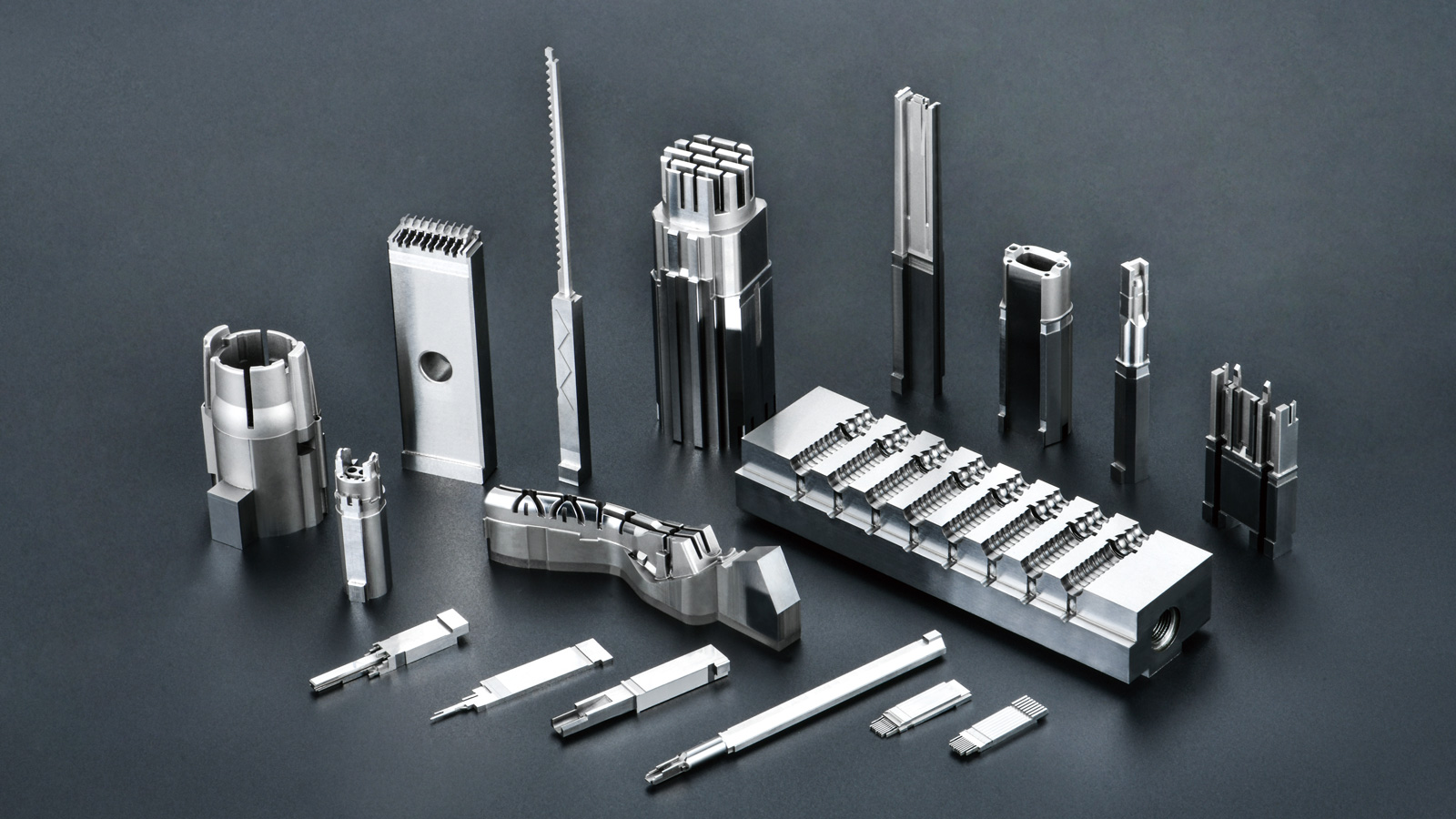
Glass- and carbon-filled grades erode gates, screws and barrels. Hardened or coated tool steels, generous gate land lengths and replaceable inserts protect the investment. Hot runner systems need independent zone control, balanced melt delivery and thermal separation from the cooled mold body.
Machine and Tooling Requirements
Not every press can run these materials. Key requirements include:
- Barrels, screws and nozzles rated for 400 °C or higher, with low-compression, wear-resistant screws.
- Hot oil units capable of stable mold temperature control to within a few degrees.
- Dryers sized for the resin’s residence time, not the machine’s convenience.
- Steel selection appropriate to abrasive fills, with adequate venting to release volatiles.
Machine tonnage is usually modest compared with commodity molding. The constraints are thermal and metallurgical, not clamping force.
Quality Control Specific to High Temperature Molding
Because the failure modes are often invisible, controls must be explicit:
- Incoming resin verification for moisture, molecular weight and lot traceability.
- Real-time melt pressure and temperature logging per shot.
- First-article dimensional reports plus mechanical testing on the actual resin lot.
- Periodic destructive or non-destructive checks for crystallinity and void content on safety-critical parts.
- Documented process windows that cannot be adjusted without engineering approval.
Industries That Depend on This Process
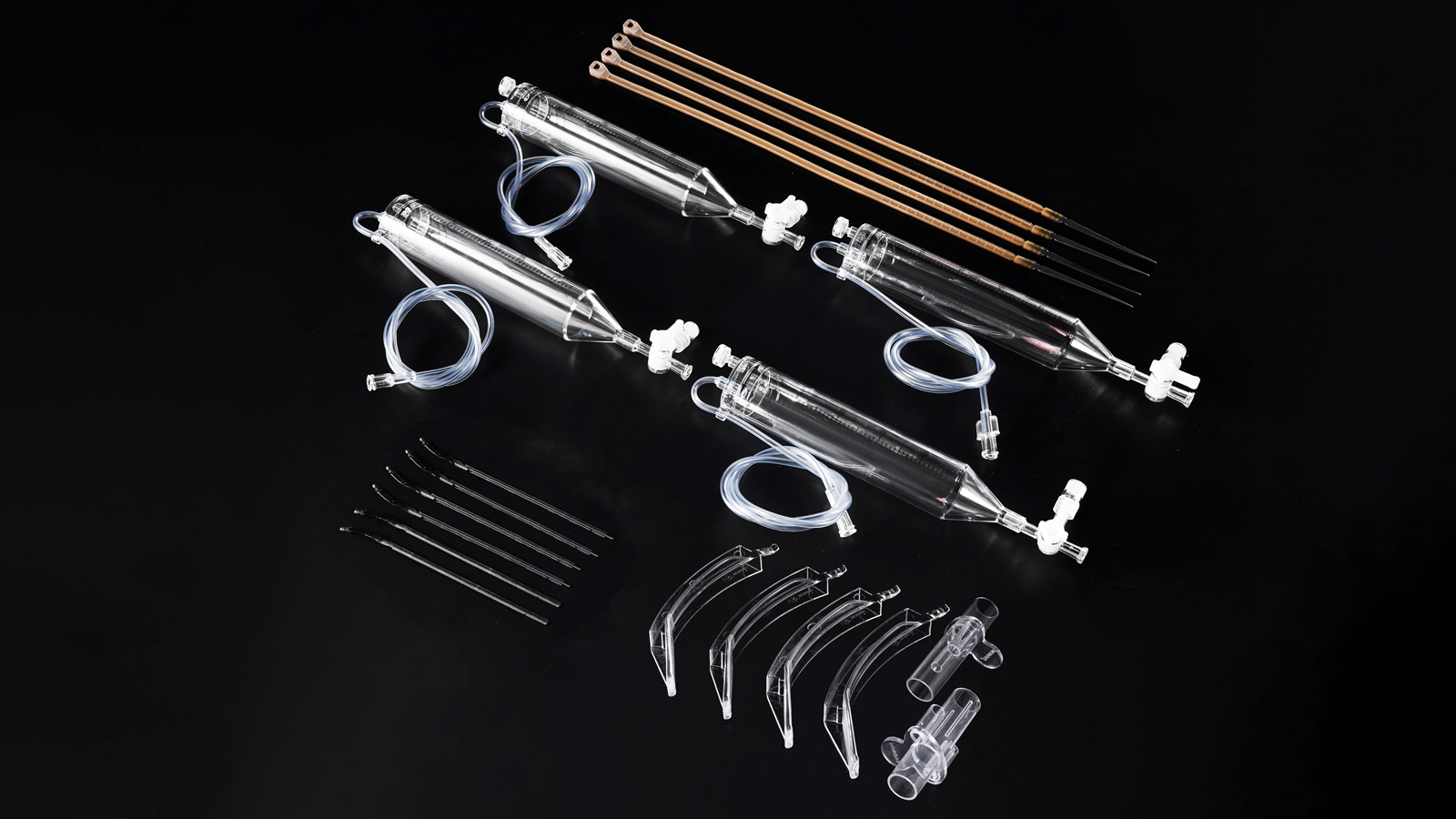
High temperature plastic injection molding sits inside applications where failure is expensive. Medical device manufacturers use it for sterilization-resistant instruments and implantable-grade components. Semiconductor equipment makers rely on it for wafer handling parts that must survive plasma and aggressive chemistry. Automotive and electric vehicle suppliers use PPS and PEEK for under-hood, busbar and high-voltage connectors. Aerospace and oil and gas customers specify PAEK parts for weight reduction and corrosion resistance. Electrical and electronics manufacturers depend on LCP and PEI for connectors that hold tolerance during reflow soldering.
Design Rules That Reduce Cost
Most cost overruns in high temperature plastic molding originate in the part drawing, not the press. Practical rules include uniform wall thickness, generous radii, avoiding sharp flow restrictions, specifying tolerances that reflect real shrinkage behavior rather than metal-like precision, and using the unfilled grade where fillers add no functional value. Early involvement of the molder during design review is usually the cheapest process improvement available.
Selecting a Manufacturing Partner
High temperature plastic molding rewards specialization. A qualified supplier should be able to demonstrate dedicated high-temperature machine cells, heated tooling with validated thermal profiles, resin-specific drying and handling procedures, traceability from lot to part, and experience with the specific material family rather than a general claim of “engineering plastics.” Yize Mould supports high temperature plastic molding programs with dedicated high-temperature equipment, controlled tool heating and documented parameters from first article through series production.
The right questions are concrete: which resin grades have you run in the last twelve months, what is your documented melt and mold temperature window, how do you verify crystallinity, and how do you handle regrind. Answers to those four questions tell you more than any brochure.
FAQ
What is high temperature plastic injection molding? It is injection molding of engineering resins that require melt temperatures above roughly 300 °C and mold temperatures above 120 °C, such as PEEK, PEI, PPS and PES. The higher thermal envelope demands specialized machines, heated tooling and stricter moisture control.
Which materials are most commonly used? PEEK, PEKK, PEI, PPS, PES, PSU, PAI and LCP, usually with glass or carbon fiber reinforcement. Selection depends on continuous service temperature, chemical exposure, dimensional tolerance and cost target.
What temperature is required for PEEK injection molding? Melt temperatures typically fall between 360 °C and 400 °C, with mold temperatures of 160–200 °C to develop full crystallinity. Actual setpoints are grade-specific and should be confirmed with the resin supplier’s data sheet.
Why is mold temperature so important? For semi-crystalline resins, mold temperature controls crystallinity, which in turn controls stiffness, chemical resistance and dimensional stability. A part molded in an underheated tool may look correct but perform below specification.
Can these materials run on standard injection molding machines? Rarely without modification. Barrels, screws, nozzles, hot runners and dryers must be rated for sustained high temperature, and abrasive fillers usually require wear-resistant components.
What industries use high temperature plastic molding? Medical devices, semiconductor equipment, automotive and electric vehicles, aerospace, oil and gas, and high-reliability electronics. The common thread is a requirement for mechanical and electrical performance at elevated temperature.